
Hip and knee joint replacement surgery
Advanced, personalised hip and knee joint replacement surgery designed to relieve chronic joint pain, restore mobility, and help you return to an active lifestyle faster.
Hip and knee joint replacement surgery overview
Hip and knee joint replacements are among the most successful procedures in modern orthopaedics. Over time, conditions such as severe osteoarthritis, rheumatoid arthritis, or past trauma can wear away the smooth cartilage that cushions your joints. This leads to painful bone-on-bone friction, joint stiffness, and restricted mobility. When non-surgical treatments, such as physical therapy, anti-inflammatory medications, weight management, and joint injections, no longer provide adequate relief, joint replacement surgery offers a definitive solution to restore comfort and function.
Personalised treatment options
At Fortius Clinic, our internationally recognized orthopaedic consultants tailor every procedure to your unique anatomy, activity levels, and lifestyle goals:
- Total hip replacement: Replacing both the damaged ball (femoral head) and socket (acetabulum) with durable artificial components (prostheses) made of ceramic, metal, or specialised polyethylene.
- Total knee replacement: Resurfacing the damaged ends of the thigh bone (femur) and shin bone (tibia), and occasionally the undersurface of the kneecap (patella), with precision-fitted metal and plastic implants.
- Partial joint replacement (Unicondylar knee or Hip hemiarthroplasty): Preserving healthy bone, ligaments, and cartilage by replacing only the damaged compartment of the joint.
- Revision joint replacement: Specialised surgery to replace worn, loose, or infected previous joint implants.
Latest techniques and surgical innovation
Our orthopaedic surgeons utilise advanced surgical techniques designed to minimise tissue trauma, accelerate recovery, and optimize long-term joint function:
- Robotic-assisted surgery: Using state-of-the-art robotic technology and 3D preoperative modeling to plan and execute bone cuts with sub-millimeter precision, maximising implant alignment and longevity.
- Minimally invasive approaches: Techniques (such as the direct anterior approach for hip replacement) that spare surrounding muscles and tendons, resulting in less post-operative pain and faster early rehabilitation.
- Custom and patient-specific implants: Utilising 3D imaging to craft custom instrumentation and implants tailored precisely to your individual joint geometry.
- Enhanced Recovery After Surgery (ERAS) protocols: Advanced multi-modal pain management and early mobilisation strategies that allow many patients to begin walking on the day of surgery and reduce hospital stay duration.
What does the procedure involve?
Joint replacement surgery is performed in a specialist orthopaedic theater under general anaesthetic or spinal anaesthetic (with sedation).
- Pre-operative assessment: Comprehensive blood tests, ECG, and detailed imaging (X-rays or CT scans) are completed prior to admission to ensure you are fully prepared for surgery.
- Surgical execution: Your consultant accesses the joint through a tailored incision, removes damaged cartilage and bone, prepares the bone surfaces, and securely fixes the joint components in place.
- Closure and recovery: The incision is closed with specialised sutures or clips and dressed with sterile waterproof dressings. The procedure typically takes between 1 to 2 hours.
- Hospital stay: Most patients stay in hospital for 1 to 3 days, though selected suitable candidates may be eligible for day-case joint replacement.
Is it painful?
You will not feel any pain during the operation due to the anaesthetic. Following surgery, some swelling, bruising, and discomfort around the joint are expected.
Our specialised ERAS protocols utilise multi-modal pain management, combining targeted local nerve blocks, long-acting local anaesthetics, and oral medications, to keep post-operative pain controlled, enabling you to stand and walk comfortably shortly after your procedure.
What are the risks?
Hip and knee joint replacements are safe, highly successful procedures. However, as with any major orthopaedic surgery, potential risks include:
- Infection: Deep joint infection is rare (less than 1 in 100 cases) but may require antibiotic therapy or further surgery.
- Blood clots (DVT/PE): Prevented using blood-thinning medications, compression stockings, and early mobilisation.
- Joint dislocation: More relevant to hip replacements; managed by following specific post-operative precautions provided by your physiotherapist.
- Leg length inequality: Minor differences in leg length following hip replacement, though precise pre-operative planning minimizes this risk.
- Implant wear or loosening: Modern joint implants are designed to last 15 to 25 years or more, though revision surgery may eventually be required over time.
- Nerve or vessel injury: Rare localised numbness or weakness around the surgical site.
Your consultant will discuss all potential risks with you in detail during your initial consultation.
Recovery and rehabilitation from hip and knee joint replacement surgery
You will stand and take your first steps with the assistance of a physiotherapist within hours of your operation. You will practice using crutches or a walking frame, climbing stairs, and doing basic range-of-motion exercises before discharge.
Focus shifts to swelling management, wound healing, and restoring a natural walking pattern. You will gradually transition from crutches to walking unassisted. Stitches or clips are removed at around 10 to 14 days.
Dedicated physical therapy builds muscle strength around the new joint. Most patients resume driving (subject to specialist authorization), low-impact exercise (swimming, stationary cycling), and routine work around 6 weeks post-surgery.
Continued strength gaining allows a return to higher-level activities like golf, hiking, and double tennis.
Working with foot and ankle professionals and teams
Our foot and ankle specialists support professional athletes, sports teams, active individuals and people whose work places high demands on their feet and ankles. Working closely with radiologists, physiotherapists and the wider multidisciplinary team, they provide coordinated care from diagnosis through to rehabilitation, helping each person return safely to sport, work or everyday activities.
The same specialist expertise and collaborative approach are available to every patient, whatever your activity level or recovery goals.

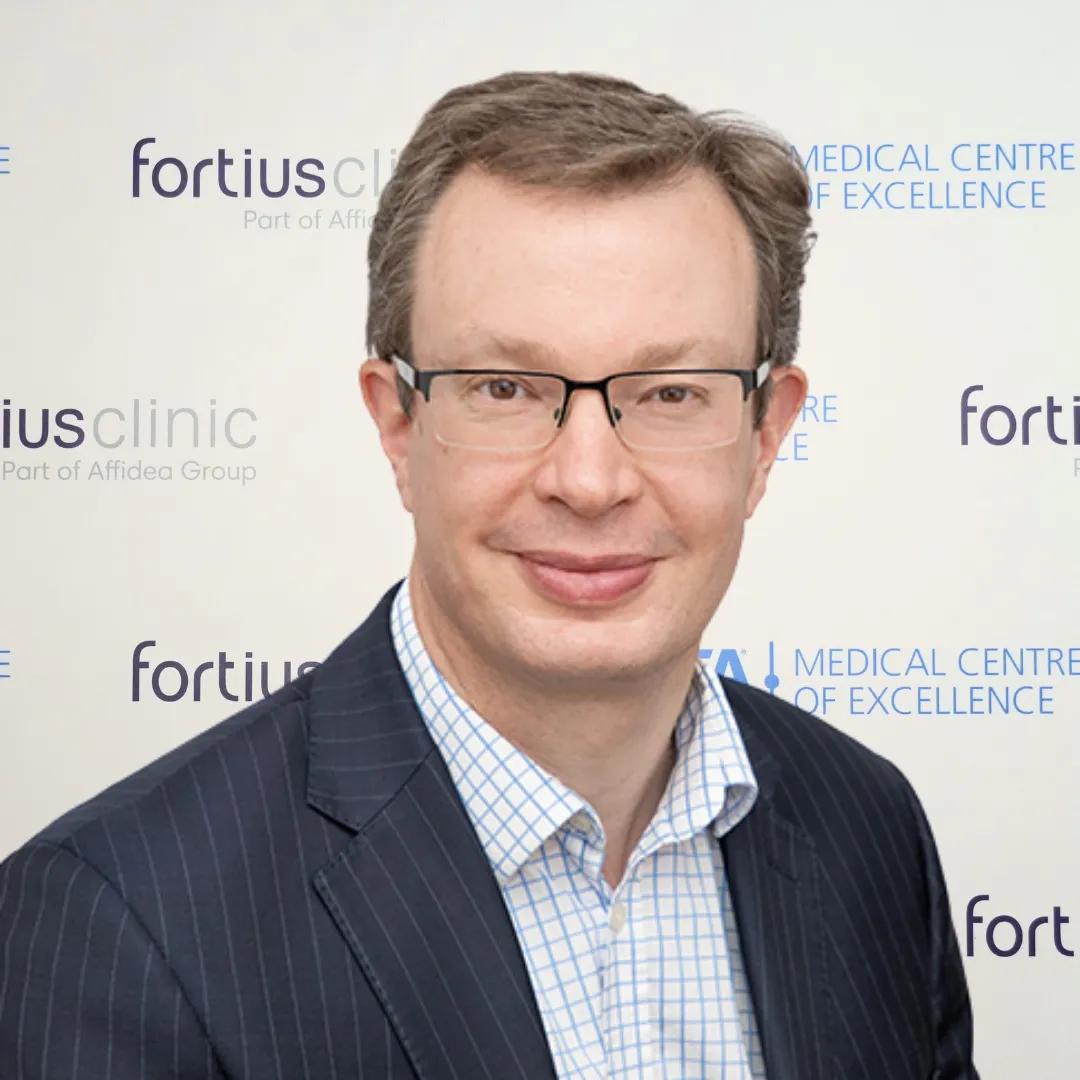
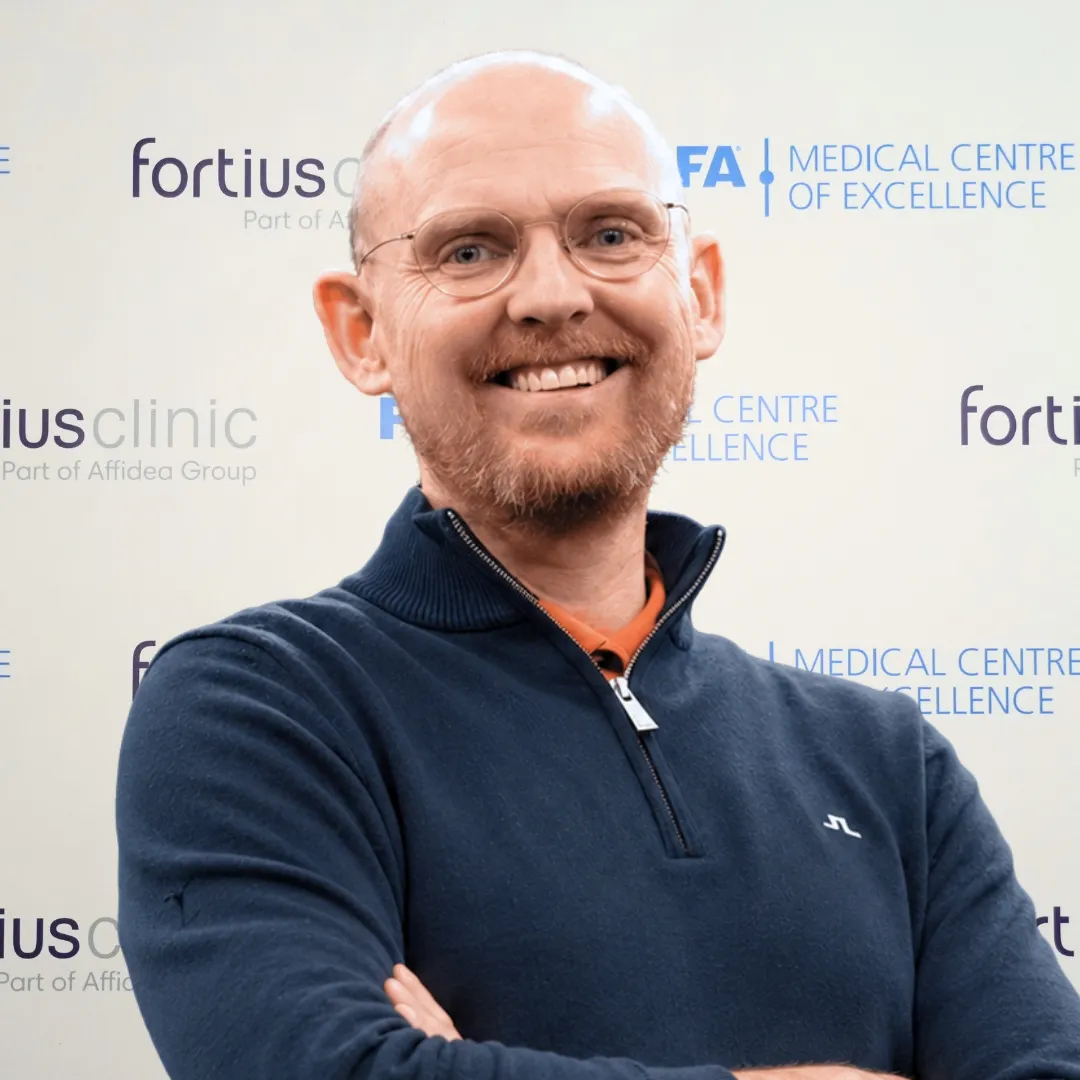
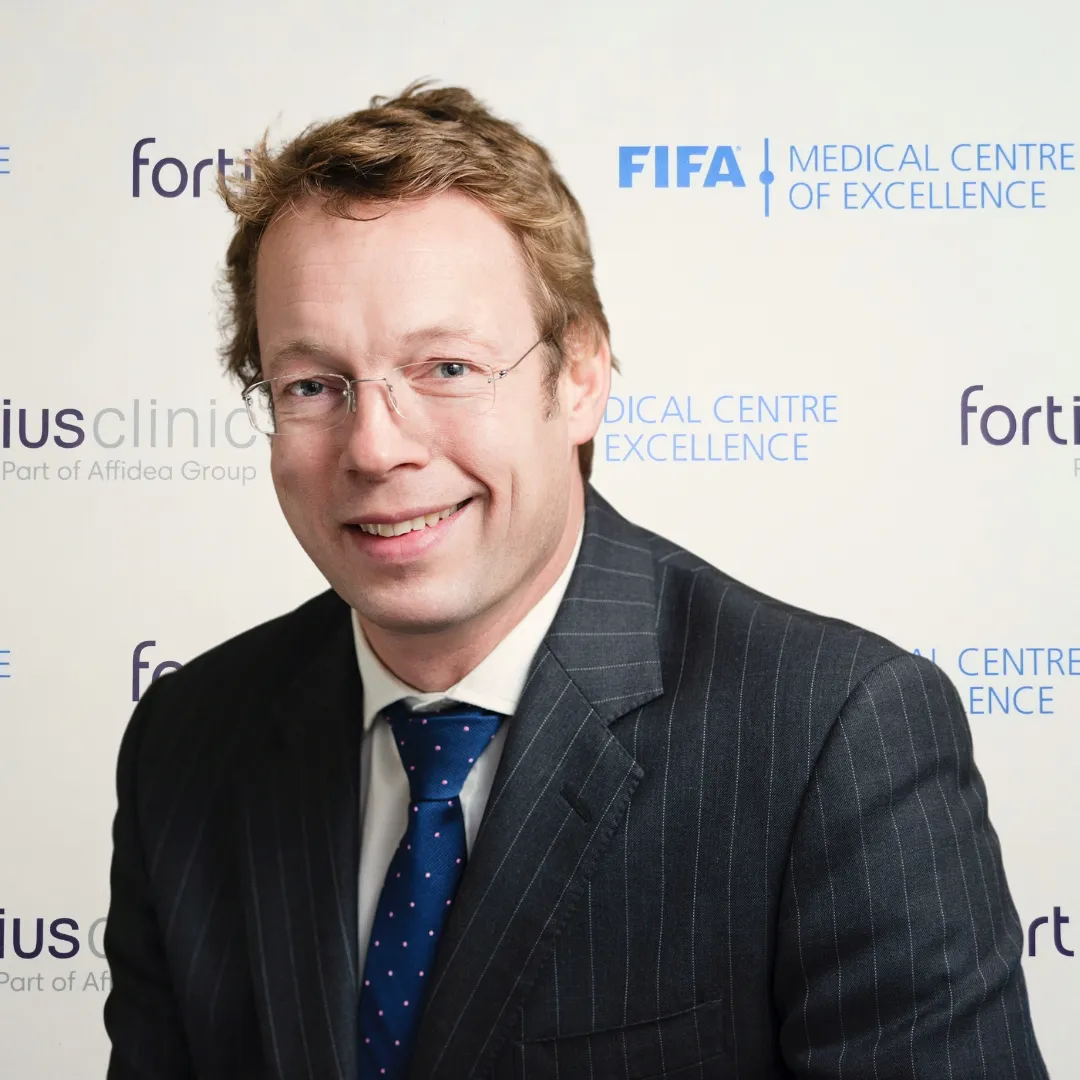
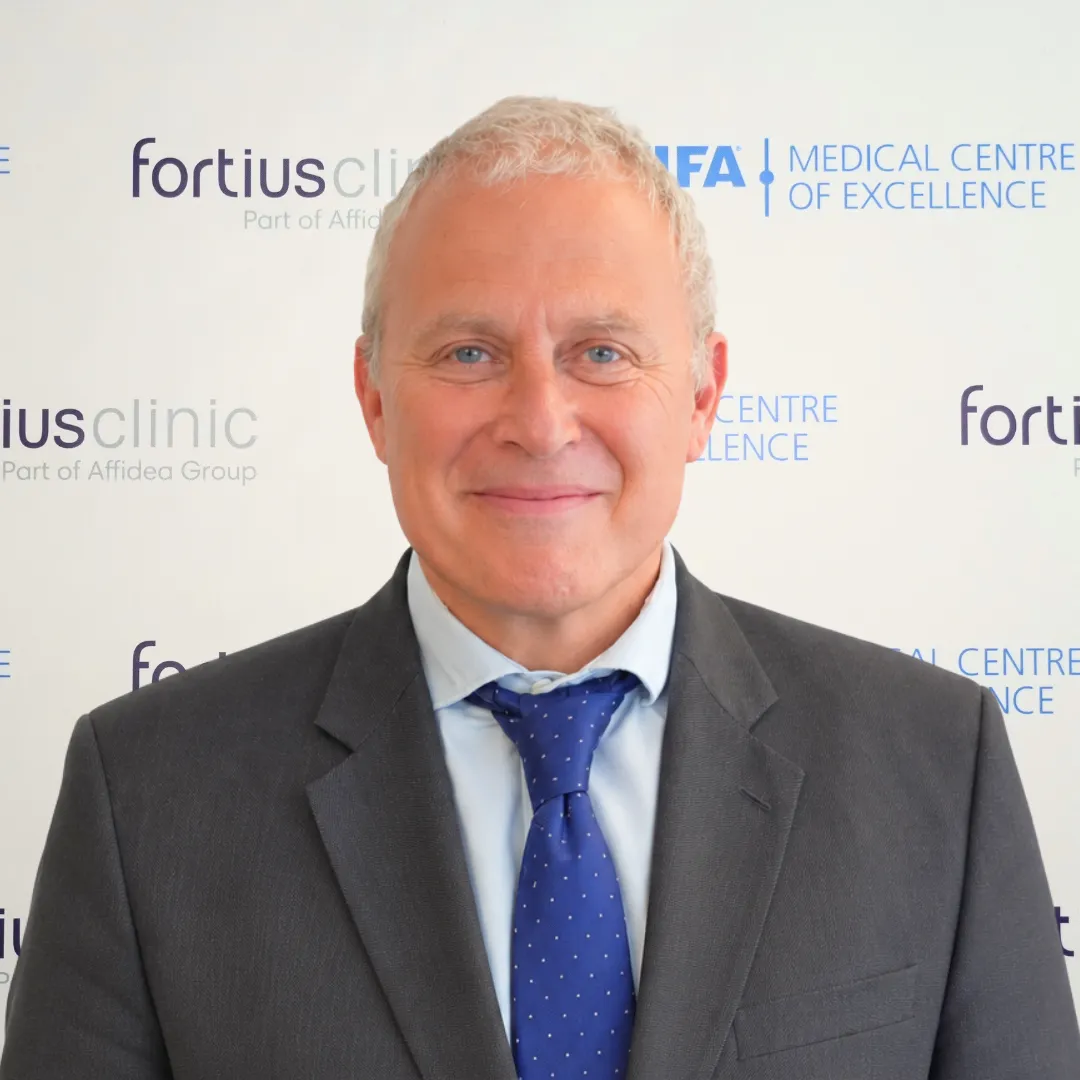
Our Experts - Leaders in Foot and Ankle treatment

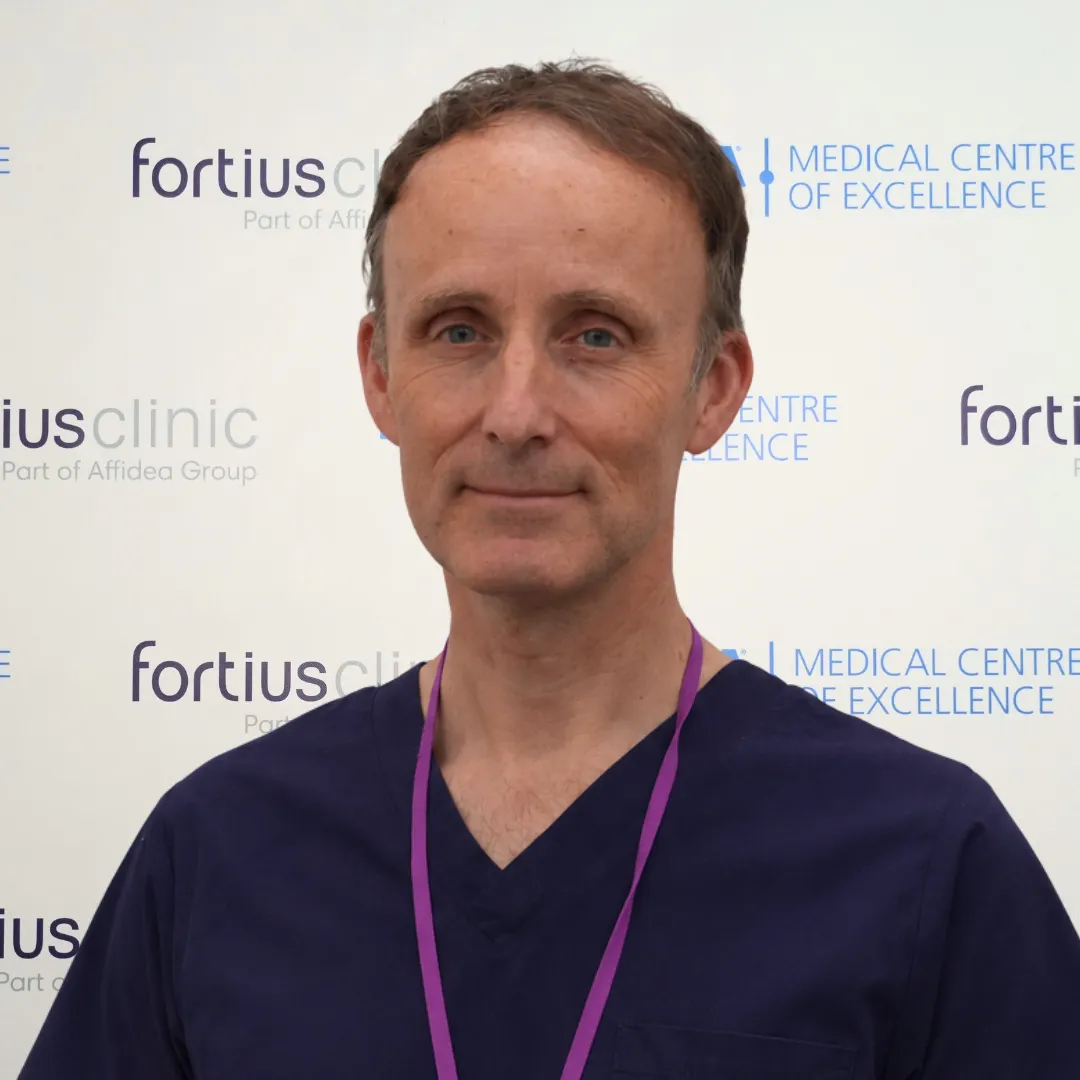
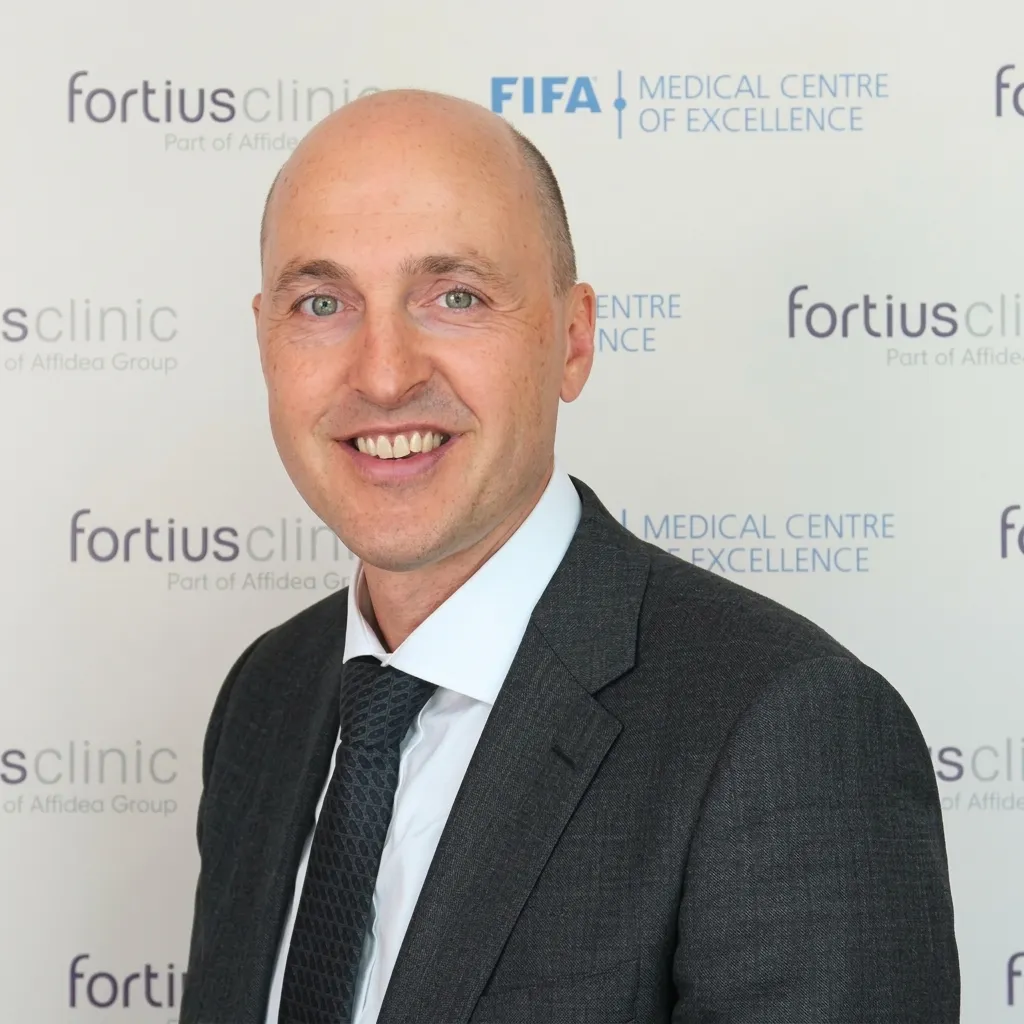
How to pay
We offer flexible options depending on how you choose to access care at Fortius. Whichever option you choose, we’ll help make the process clear and straightforward from the start.

Private medical insurance
If your care is covered by private medical insurance, we’ll usually invoice your insurer directly. Please check your policy in advance and request an authorisation code if your insurer requires one. You’ll be responsible for paying any policy excess or costs that aren’t covered by your insurance.

Paying for yourself
You don’t need private medical insurance to access care at Fortius. If you’re paying for your own treatment, our team will explain the costs clearly and provide a personalised quote before you decide whether to go ahead.
Achilles tendon rupture repair FAQs
You must be out of your cast or boot and able to control the vehicle safely, including performing an emergency stop without pain or hesitation. This often takes at least 10 weeks, but you should ask your specialist and check that your insurer is happy for you to drive.
This depends on your job and how you travel to work. You may be able to return to a desk-based role after around four weeks if you can keep your foot raised. A physical job may require 12–16 weeks away from work.
Returning to sport usually takes around six to nine months. Your physiotherapist will help you rebuild calf strength, balance and control before you return safely.
Find a clinic near you
Fortius Clinic London

Our 79,000 sq ft, seven-story, private hospital on Wigmore Street has 39 en-suite inpatient rooms, consultation and treatment rooms, and a physiotherapy suite.
The hospital has a high-spec imaging suite fully equipped with an MRI, CT scanner and X-ray machine. There are three state-of-the-art operating theatres, two anaesthetic rooms and a recovery bay.
Fortius Clinic London has two Mako robots for hip and knee joint replacements.
- 66 Wigmore Street W1U 2SB
- 0203 195 2442
- Outpatient times are Monday to Friday from 8.00am to 8.00pm.
- Sports & Exercise Medicine
- Snow Injuries Clinic
- Tendon Clinic
- MRI Scan
- Ultrasound
- X-Ray
- Physician services
- Rheumatology
- CT Scan
- Image guided injections
- Physiotherapy
- MAKO Robotic Joint Replacement
- Knee replacement revision clinic
Fortius Clinic City
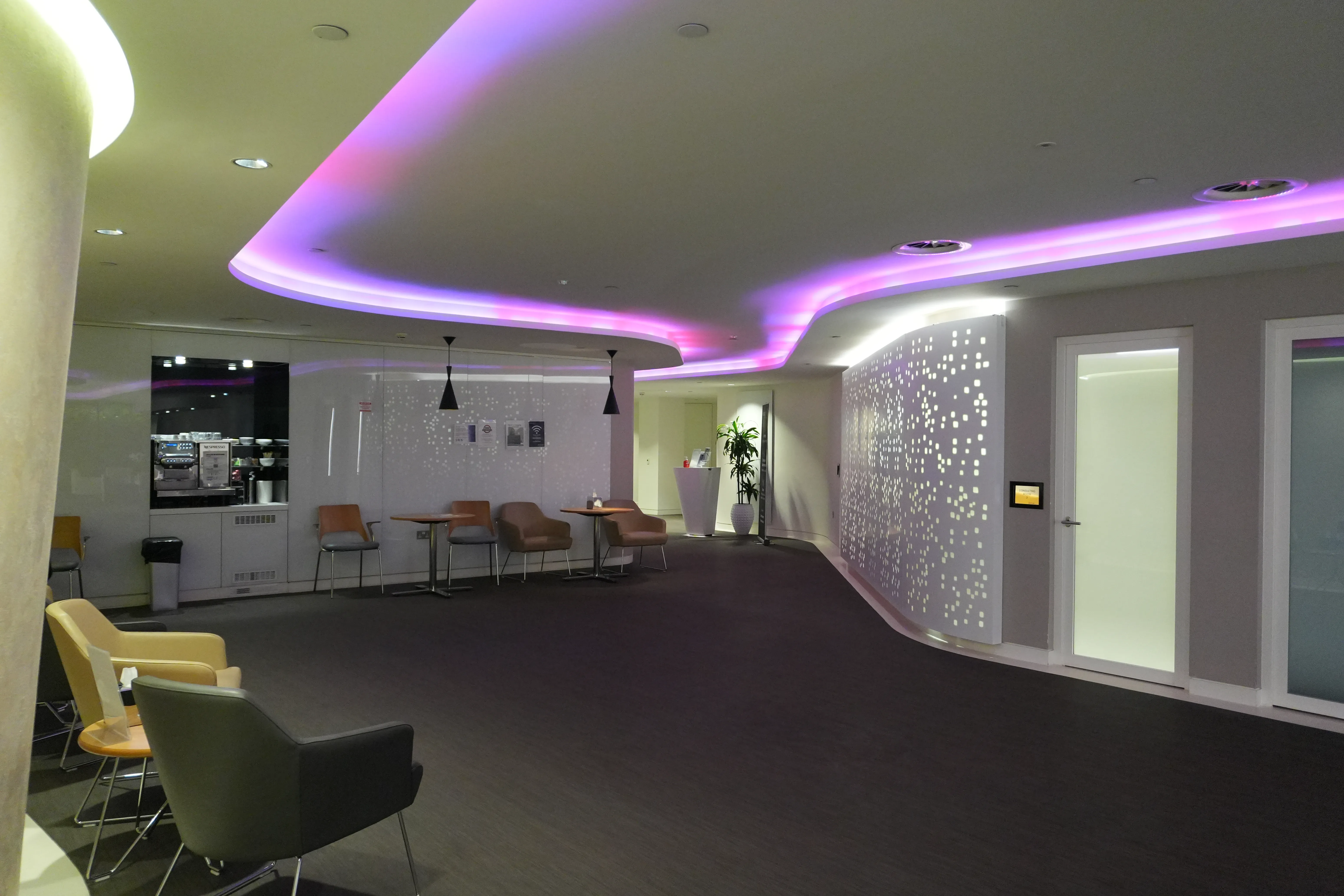
Our City Clinic is conveniently located between Bank and Monument stations, within the historic and financial heart of London. At our modern, two-floor facility we have nine consulting rooms, spacious waiting areas, well equipped treatment rooms and an imaging centre.
Explore our City Clinic with our virtual tour.
If you are travelling by Tube, our closest underground stations are Bank and Monument, exit 6 for King William Street.
Should you be travelling by car, the closest parking is a three minute drive away at NCP Car Park London Vintry Thames Exchange. If you are attending clinic on a weekday, please be aware that we are based in the congestion charge zone.
- 75 King William Street EC4N 7BE
- 0203 195 2442
- Outpatient times are Monday to Friday from 8.00am to 8.00pm.
- Snow Injuries Clinic
- Tendon Clinic
- Sports & Exercise Medicine
- MRI Scan
- Ultrasound
- X-Ray
- Physician services
- Rheumatology
Fortius Clinic Wimbledon
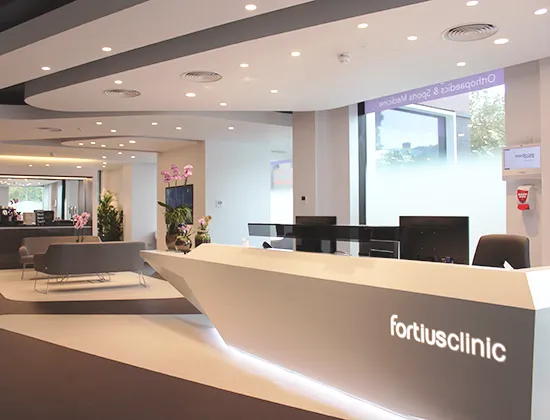
Our Wimbledon clinic houses a state-of-the-art imaging centre with a 3T MRI and X-ray scanners, Ultrasound, seven consulting rooms, two spacious waiting areas and well equipped treatment rooms all located on one level, ensuring easy accessibility for all patients.
Our partnership with Spire St Anthony’s Hospital allows us to provide orthopaedic surgery closer to our clinic. We treat a full range of conditions and perform joint replacement surgery using the latest Mako robotic assisted technology.
The building at 22 Worple Road has steps leading up to the front entrance. If you require assistance please inform us before your arrival by calling ahead on 020 3195 2442
- 22 Worple Road SW19 4DD
- 0203 195 2442
- Outpatient times are Monday to Friday from 8.00am to 8.00pm.
- Snow Injuries Clinic
- MRI Scan
- Ultrasound
- X-Ray
Fortius Clinic Marylebone

Our Marylebone Clinic is conveniently located in the historic area between Baker Street and Marylebone High Street, just off Manchester Square, home to the iconic Wallace Collection. We have seven consulting rooms, private waiting areas on each floor, well equipped treatment rooms and diagnostic imaging.
- 17 Fitzhardinge StreetW1H 6EQ
- 020 3195 2442
- Outpatient times are Monday to Friday from 8.00am to 8.00pm.
- MRI Scan
- Ultrasound
- X-Ray
- Physician services
- Rheumatology
1 of 4