
Gout
Gout is a type of inflammatory arthritis that causes intermittent and painful swelling of the joints. While gout commonly affects the base of the big toe, it can also develop in the foot, ankle, knee, hand, wrist or elbow.
What is gout?
Gout is a type of inflammatory arthritis that causes intermittent and painful swelling of the joints. While gout commonly affects the base of the big toe, it can also develop in the foot, ankle, knee, hand, wrist or elbow. Without effective management, flare-ups (known as an attack) may become more frequent over time and can lead to joint damage.
What causes gout?
Your body naturally produces uric acid when it breaks down substances called purines, which are found in your cells and in some foods.
Usually, your kidneys filter uric acid out of your blood. Gout can develop if your body makes too much uric acid or your kidneys don’t remove enough of it.
When uric acid builds up, tiny urate crystals can form in or around a joint, triggering a sudden flare of severe pain and swelling.
Several factors can increase your risk of developing gout. Genetics can play an important role, while kidney disease, excess weight, alcohol or certain medicines, including diuretics (sometimes called water tablets), may also contribute.
For people who already have gout, flare-ups can sometimes be triggered by dehydration, illness or an injury.
What are the symptoms of gout?
A gout flare often comes on suddenly, sometimes overnight. Symptoms can include:
- Severe pain in one joint
- Swelling and warmth around the joint
- Red or discoloured skin
- Extreme tenderness, even from light pressure
Gout can sometimes cause symptoms that are similar to those of a joint infection, which requires urgent treatment. Seek medical advice straight away if your joint pain gets worse and you also have a high temperature, feel shivery or generally feel unwell.
How is gout diagnosed?
Your consultant will examine the joint and ask how and when your symptoms started. They’ll also review your medical history and any medicines you’re taking.
A blood test can measure your serum urate level (the amount of uric acid in your blood). As uric acid levels can be normal during a gout flare, your consultant may recommend repeating the test once your symptoms have settled.
If the cause remains unclear, your consultant may take a small fluid sample from the affected joint to look for urate crystals. Imaging tests, such as an X-ray or ultrasound, may also help assess the joint and support a diagnosis.
How is gout treated?
Treatment for gout focuses on relieving the pain and inflammation of an attack, while lowering uric acid levels to reduce the risk of future flare-ups and protect your joints over the long term. Gout is usually managed without surgery. We’ll shape your care around your test results and everyday goals.
Anti-inflammatory medicines for gout attacks:
Prompt treatment can help reduce pain and inflammation during an attack. Your consultant may recommend NSAIDs or colchicine and explain how to manage your symptoms at home.
Urate-lowering medicines:
If you have repeated or troublesome flare-ups, long-term treatment with medicines such as allopurinol or febuxostat can lower uric acid levels. Over time, this helps existing urate crystals dissolve and reduces the risk of new crystals forming. It’s important to take this medicine consistently, even when you’re feeling well.
Blood tests and ongoing monitoring:
Blood tests help your specialist monitor your uric acid levels and adjust the dose of your treatment if needed until your target level is reached. Ongoing checks help keep gout well controlled and reduce the risk of future flare-ups.
Lifestyle advice and self-management:
There isn’t enough evidence that a specific gout diet prevents attacks, but eating a balanced diet can support your overall health. If it’s relevant to you, your consultant can also offer personalised advice on gradual weight loss or reducing excessive alcohol consumption as part of your long-term care.
Working with professionals and teams
Our consultants support professional athletes, sports teams and active individuals with the assessment and treatment of meniscus injuries. Working closely with physiotherapists, strength and conditioning specialists and the wider care team, they develop personalised treatment plans that support a safe return to sport or everyday activities.
The same specialist expertise and collaborative approach are available to every patient, whatever your activity level or goals.


How to pay
We offer flexible options depending on how you choose to access care at Fortius. Whichever option you choose, we’ll help make the process clear and straightforward from the start.
Private medical insurance
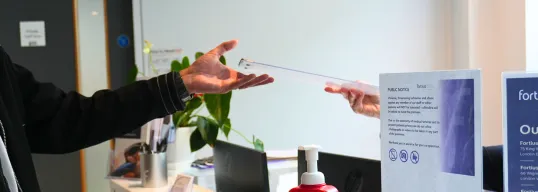
If your care is covered by private medical insurance, we’ll usually invoice your insurer directly. Please check your policy in advance and request an authorisation code if your insurer requires one. You’ll be responsible for paying any policy excess or costs that aren’t covered by your insurance.

Paying for yourself
You don’t need private medical insurance to access care at Fortius. If you’re paying for your own treatment, our team will explain the costs clearly and provide a personalised quote before you decide whether to go ahead.






Find a clinic near you
Fortius Clinic London

Our 79,000 sq ft, seven-story, private hospital on Wigmore Street has 39 en-suite inpatient rooms, consultation and treatment rooms, and a physiotherapy suite.
The hospital has a high-spec imaging suite fully equipped with an MRI, CT scanner and X-ray machine. There are three state-of-the-art operating theatres, two anaesthetic rooms and a recovery bay.
Fortius Clinic London has two Mako robots for hip and knee joint replacements.
- 66 Wigmore Street W1U 2SB
- 0203 195 2442
- Outpatient times are Monday to Friday from 8.00am to 8.00pm.
- Sports & Exercise Medicine
- Snow Injuries Clinic
- Tendon Clinic
- MRI Scan
- Ultrasound
- X-Ray
- Physician services
- Rheumatology
- CT Scan
- Image guided injections
- Physiotherapy
- MAKO Robotic Joint Replacement
- Knee replacement revision clinic
Fortius Clinic City
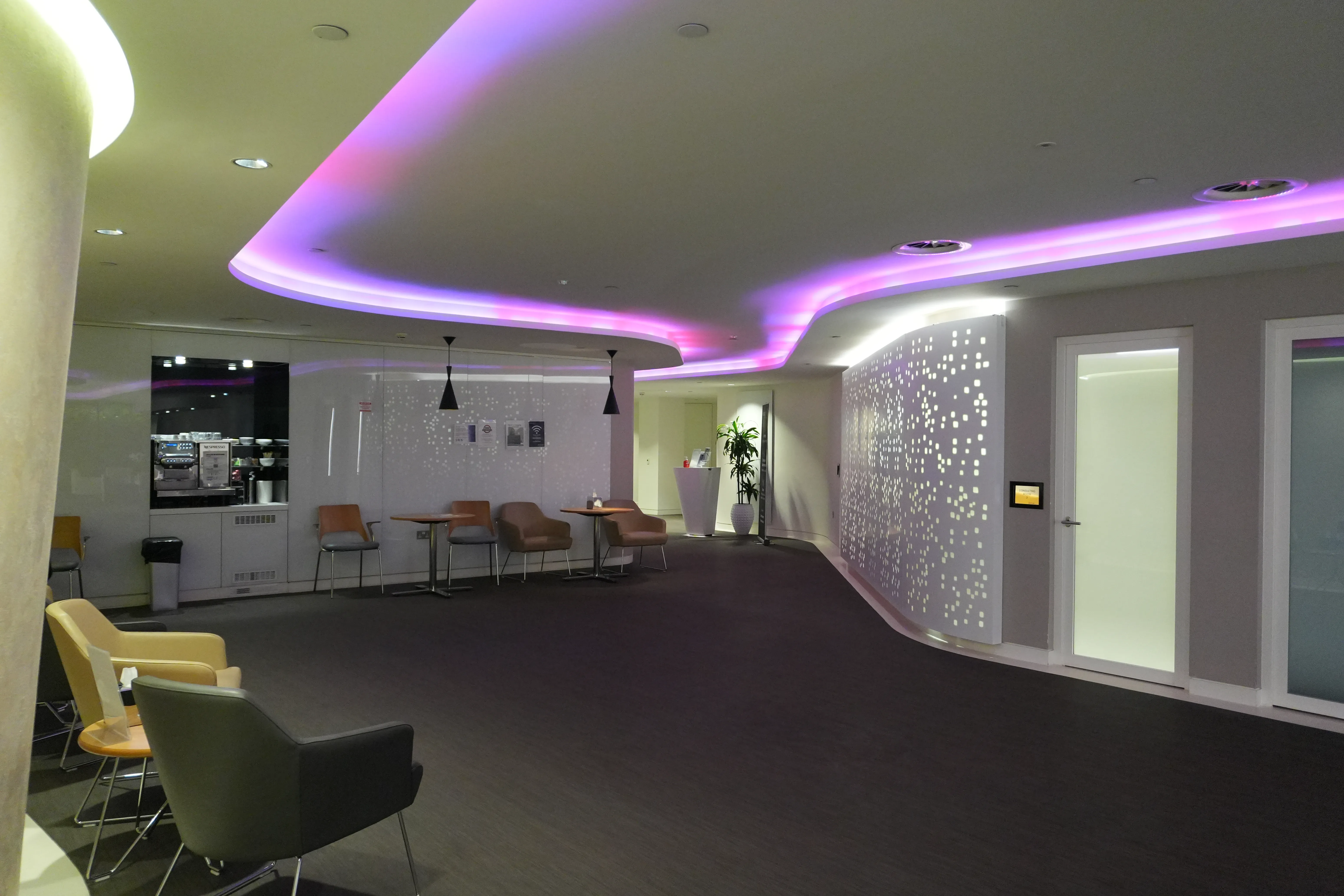
Our City Clinic is conveniently located between Bank and Monument stations, within the historic and financial heart of London. At our modern, two-floor facility we have nine consulting rooms, spacious waiting areas, well equipped treatment rooms and an imaging centre.
Explore our City Clinic with our virtual tour.
If you are travelling by Tube, our closest underground stations are Bank and Monument, exit 6 for King William Street.
Should you be travelling by car, the closest parking is a three minute drive away at NCP Car Park London Vintry Thames Exchange. If you are attending clinic on a weekday, please be aware that we are based in the congestion charge zone.
- 75 King William Street EC4N 7BE
- 0203 195 2442
- Outpatient times are Monday to Friday from 8.00am to 8.00pm.
- Snow Injuries Clinic
- Tendon Clinic
- Sports & Exercise Medicine
- MRI Scan
- Ultrasound
- X-Ray
- Physician services
- Rheumatology
Fortius Clinic Wimbledon
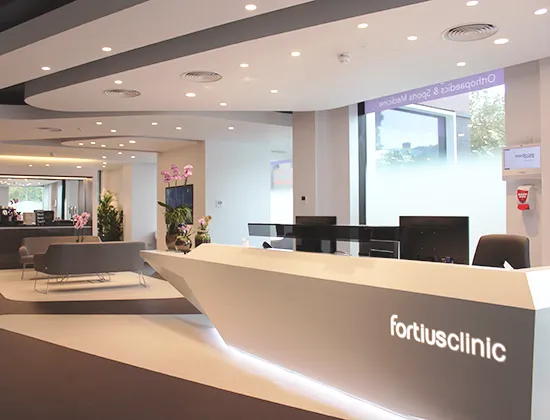
Our Wimbledon clinic houses a state-of-the-art imaging centre with a 3T MRI and X-ray scanners, Ultrasound, seven consulting rooms, two spacious waiting areas and well equipped treatment rooms all located on one level, ensuring easy accessibility for all patients.
Our partnership with Spire St Anthony’s Hospital allows us to provide orthopaedic surgery closer to our clinic. We treat a full range of conditions and perform joint replacement surgery using the latest Mako robotic assisted technology.
The building at 22 Worple Road has steps leading up to the front entrance. If you require assistance please inform us before your arrival by calling ahead on 020 3195 2442
- 22 Worple Road SW19 4DD
- 0203 195 2442
- Outpatient times are Monday to Friday from 8.00am to 8.00pm.
- Snow Injuries Clinic
- MRI Scan
- Ultrasound
- X-Ray
Fortius Clinic Marylebone

Our Marylebone Clinic is conveniently located in the historic area between Baker Street and Marylebone High Street, just off Manchester Square, home to the iconic Wallace Collection. We have seven consulting rooms, private waiting areas on each floor, well equipped treatment rooms and diagnostic imaging.
- 17 Fitzhardinge StreetW1H 6EQ
- 020 3195 2442
- Outpatient times are Monday to Friday from 8.00am to 8.00pm.
- MRI Scan
- Ultrasound
- X-Ray
- Physician services
- Rheumatology
1 of 4