
Ligament reconstruction
Specialist assessment
Answers for your injury
Your consultant will take the time to understand how your injury is affecting your movement and daily life.
Clear treatment advice
Understand your options
You’ll receive clear guidance about what may help and when ligament reconstruction could be the right approach.
Care beyond surgery
Support for your recovery
Your care will continue after surgery, with a rehabilitation plan shaped around your progress and the activities you enjoy.
Ligament reconstruction overview
Many torn ligaments can’t be repaired with stitches alone. Ligament reconstruction replaces the damaged ligament with a strong piece of tendon tissue, known as a graft. This helps to make the joint more stable again, supporting smoother and stable movement. The graft is usually taken from one of your own tendons (an autograft). In some cases, tendon tissue from a donor (allograft) may be more suitable. Your consultant will recommend the approach that’s right for you based on your injury and recovery goals.
We offer a range of ligament reconstruction procedures, including:
- ACL reconstruction
- Surgery for multiple ligament injuries
- Ankle ligament reconstruction
- Ulnar Collateral Ligament reconstruction
Whatever your injury, your consultant will talk you through your options in plain language and work with you to create a treatment plan tailored to your needs.
How is surgery carried out?
You’ll usually have a general anaesthetic, so you’ll be asleep throughout the operation.
Your surgeon will place the graft where the torn ligament was and secure it to the bone, allowing it to heal and become part of the joint over time. Depending on the joint being treated and the type of injury, the operation may be carried out using keyhole surgery (arthroscopy) through a few small cuts. Some ligament injuries are better treated with open surgery through a larger cut.
Before your operation, your consultant will explain the recommended approach and answer any questions you have about recovery.
Are there any risks?
Most people recover well from ligament reconstruction without experiencing serious complications.
As with any operation, there are some risks, including:
- Infection
- A blood clot
- Stiffness or ongoing pain
- Damage to nearby nerves or blood vessels
- Stretching or tearing of the graft
- The joint continuing to feel unstable
Your consultant will discuss your personal risk level and explain how we work to reduce the chance of complications.
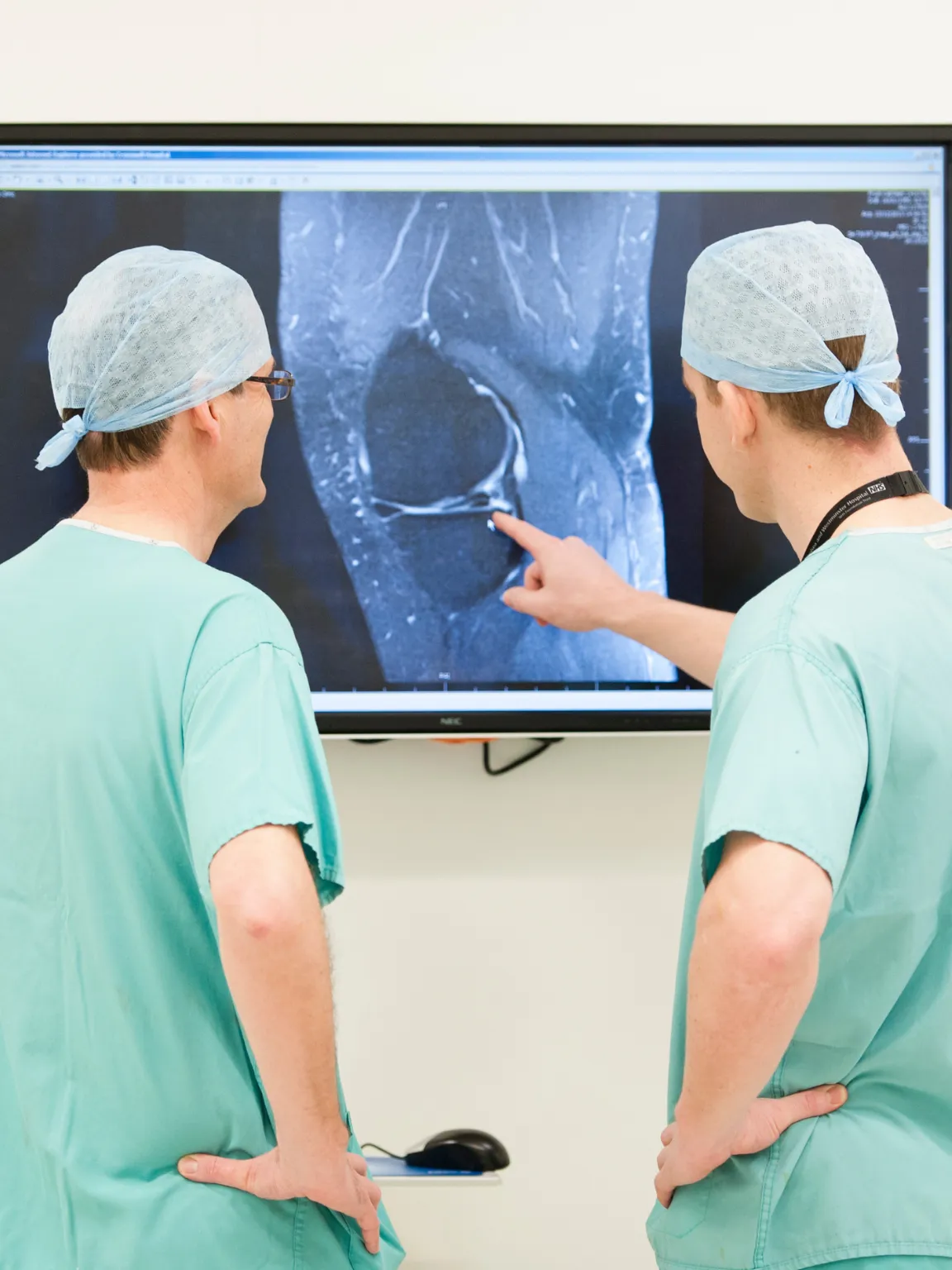
Recovery from ligament reconstruction
Protecting your healing ligament
Sometimes you will wear a splint to support the joint while swelling settles and the graft begins to heal. Your care team will advise you on managing pain, reducing swelling and moving safely during these early stages of recovery.
Rebuilding movement and strength
As your recovery progresses, you may move from a splint to a brace and begin guided exercises. Many people regain a good range of movement around this stage, while continuing to build strength.
Working towards activity
You may be ready to resume sport between six months and a year after surgery, although recovery can take closer to 12 months for competitive sports or other activities that place high demands on the joint.
Our Experts - Leaders in Soft Tissue and Sports Knee Treatments
Dedicated to restoring your mobility through advanced surgical care, tailored rehabilitation programmes, and compassionate, evidence-based patient support.
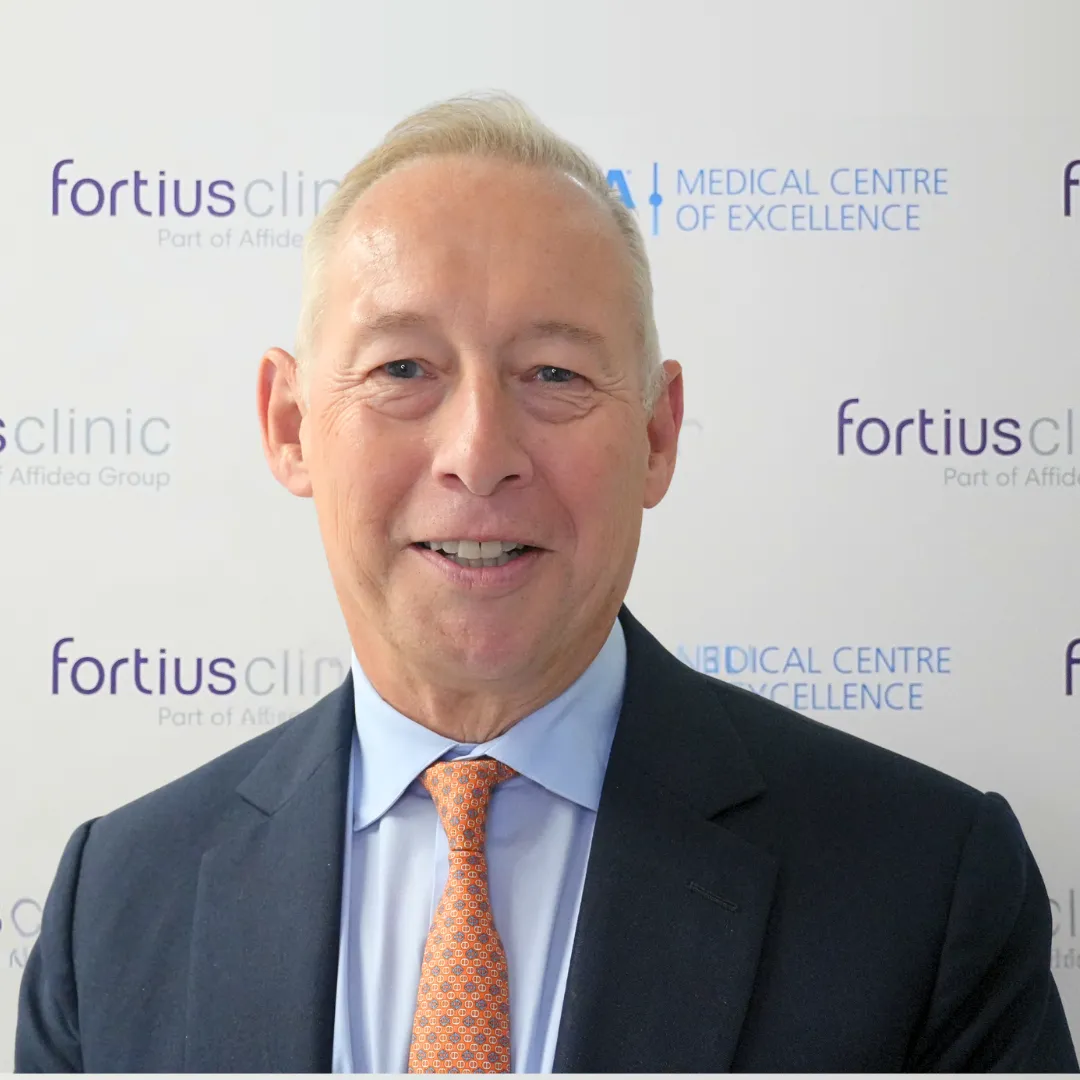

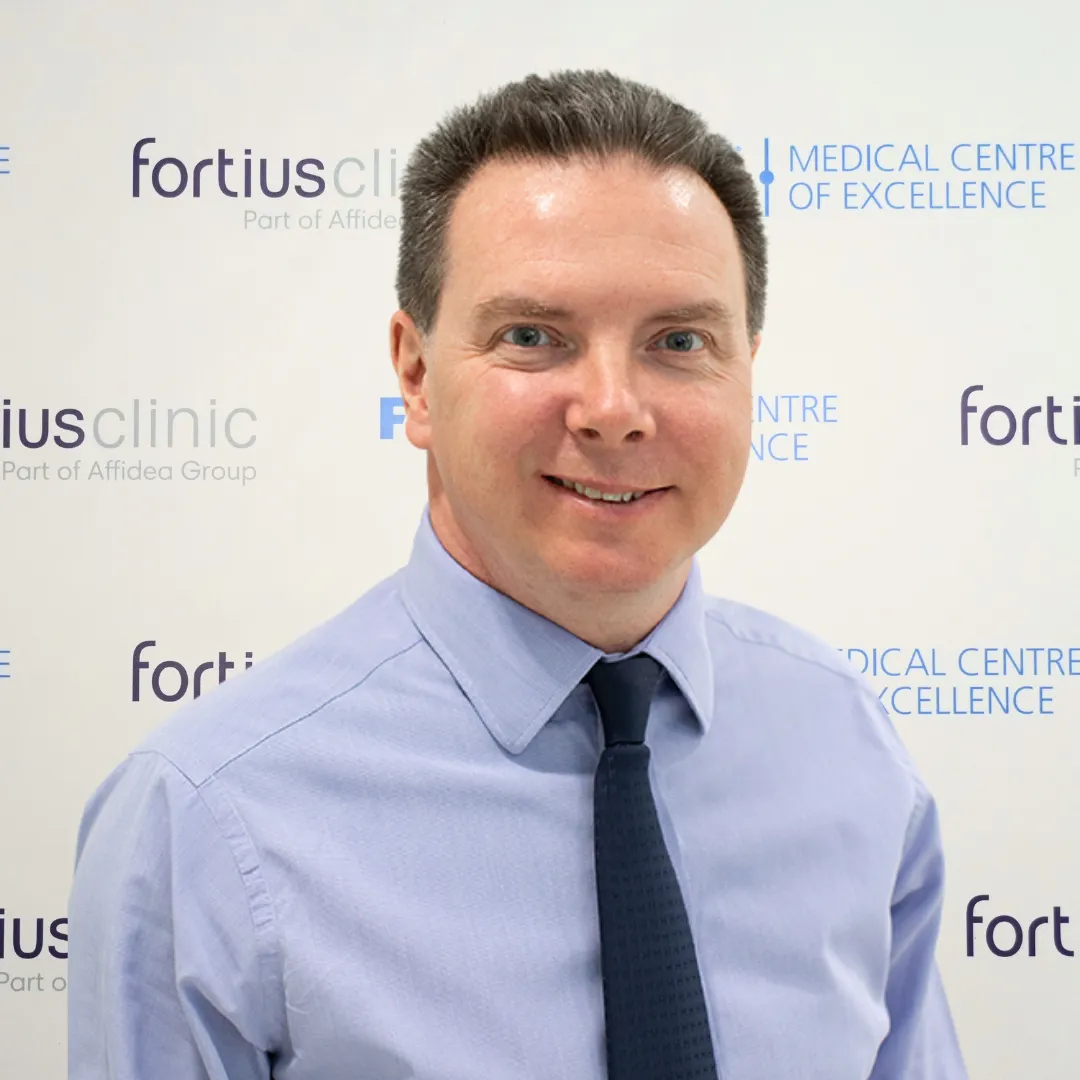
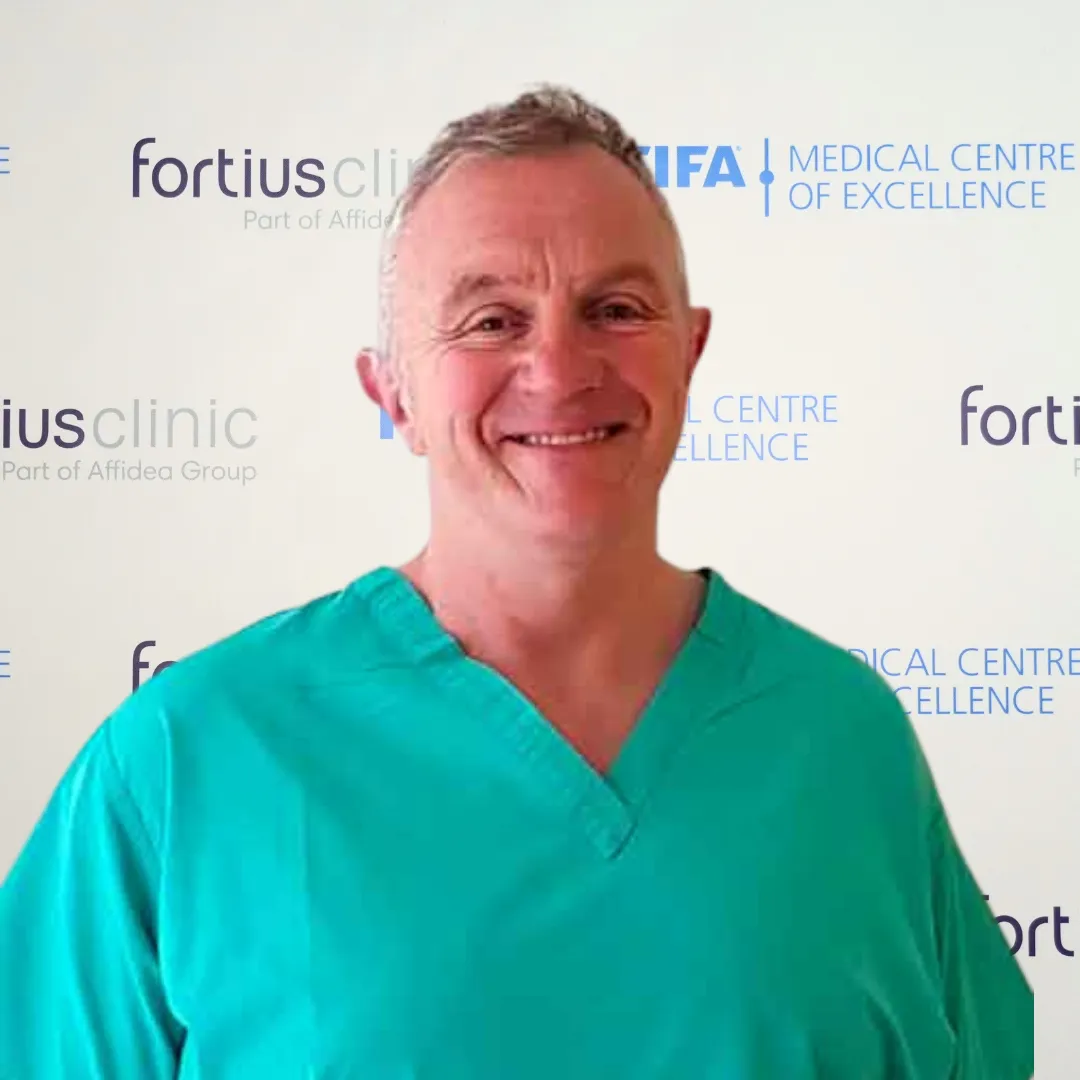
Mr Andrew Davies
Knee: Soft Tissue and Sports Injuries, Knee Replacement
London, Wimbledon
Go to bioBook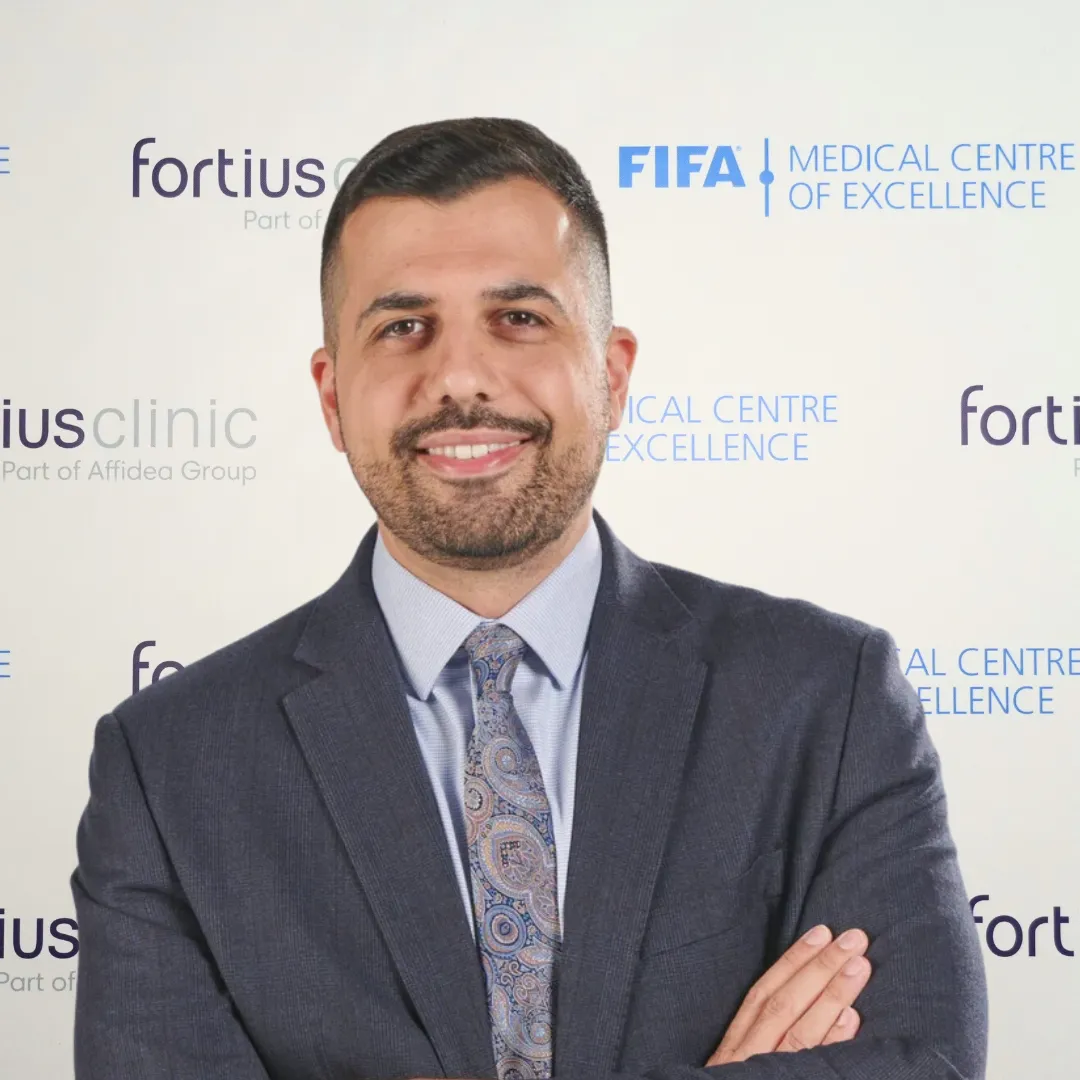
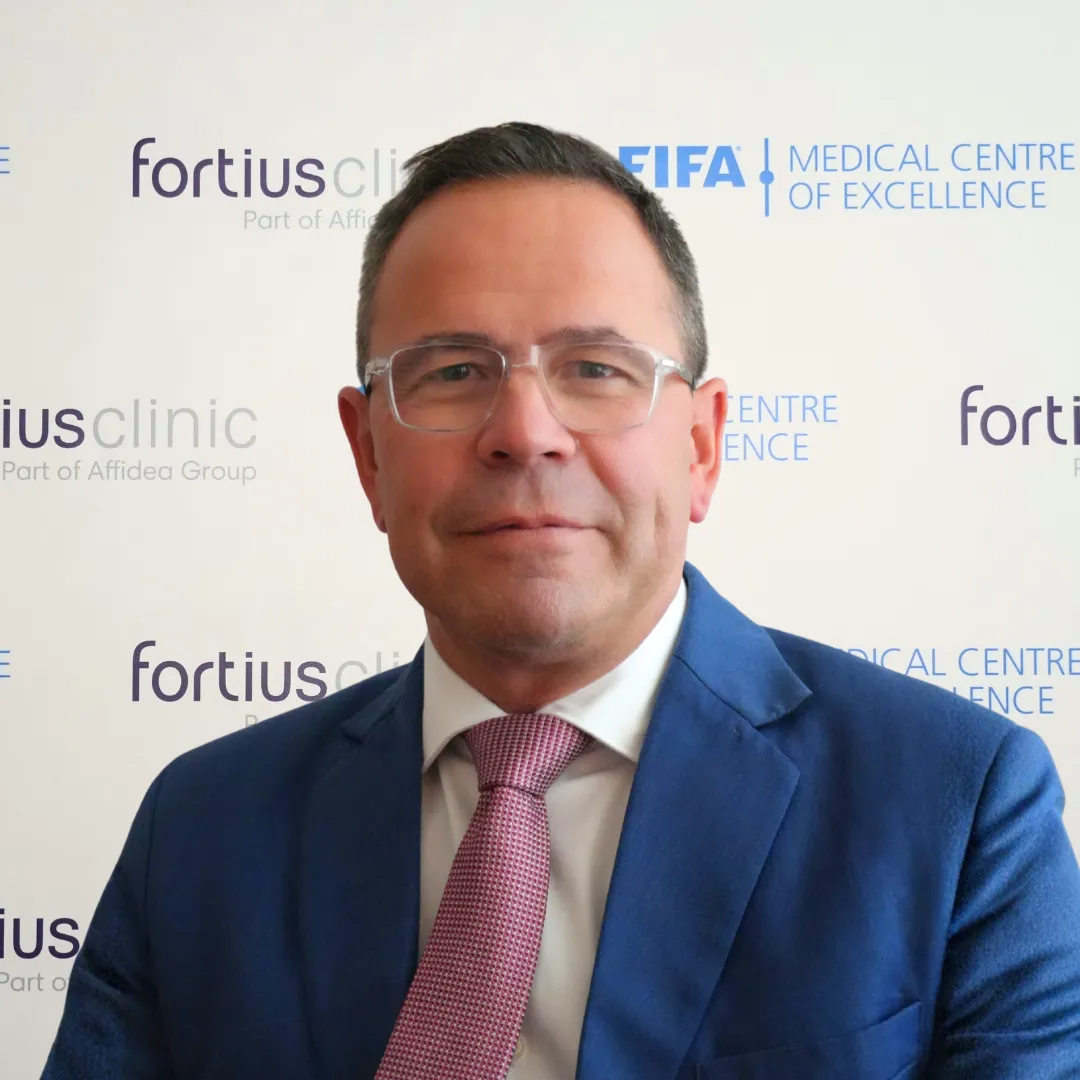
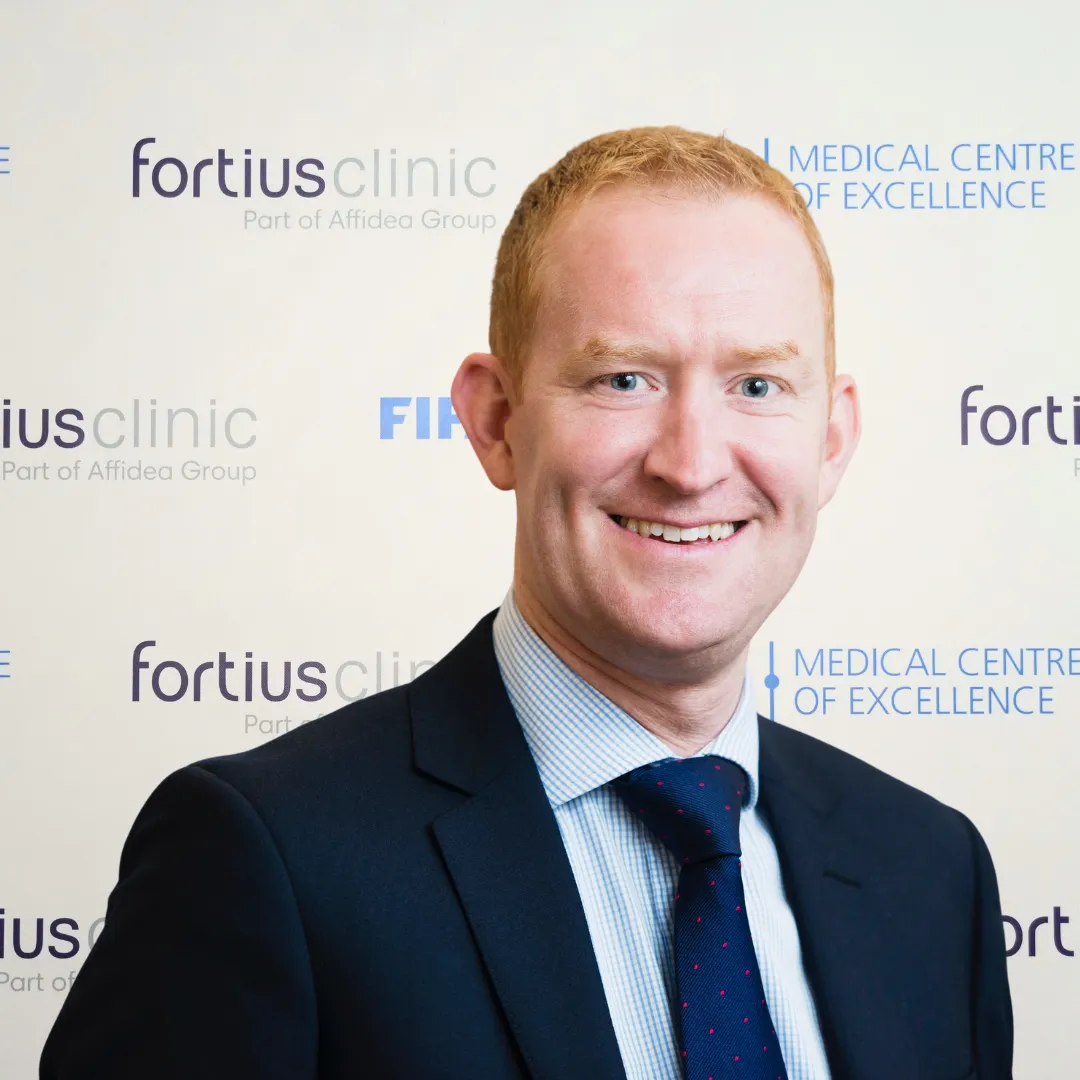
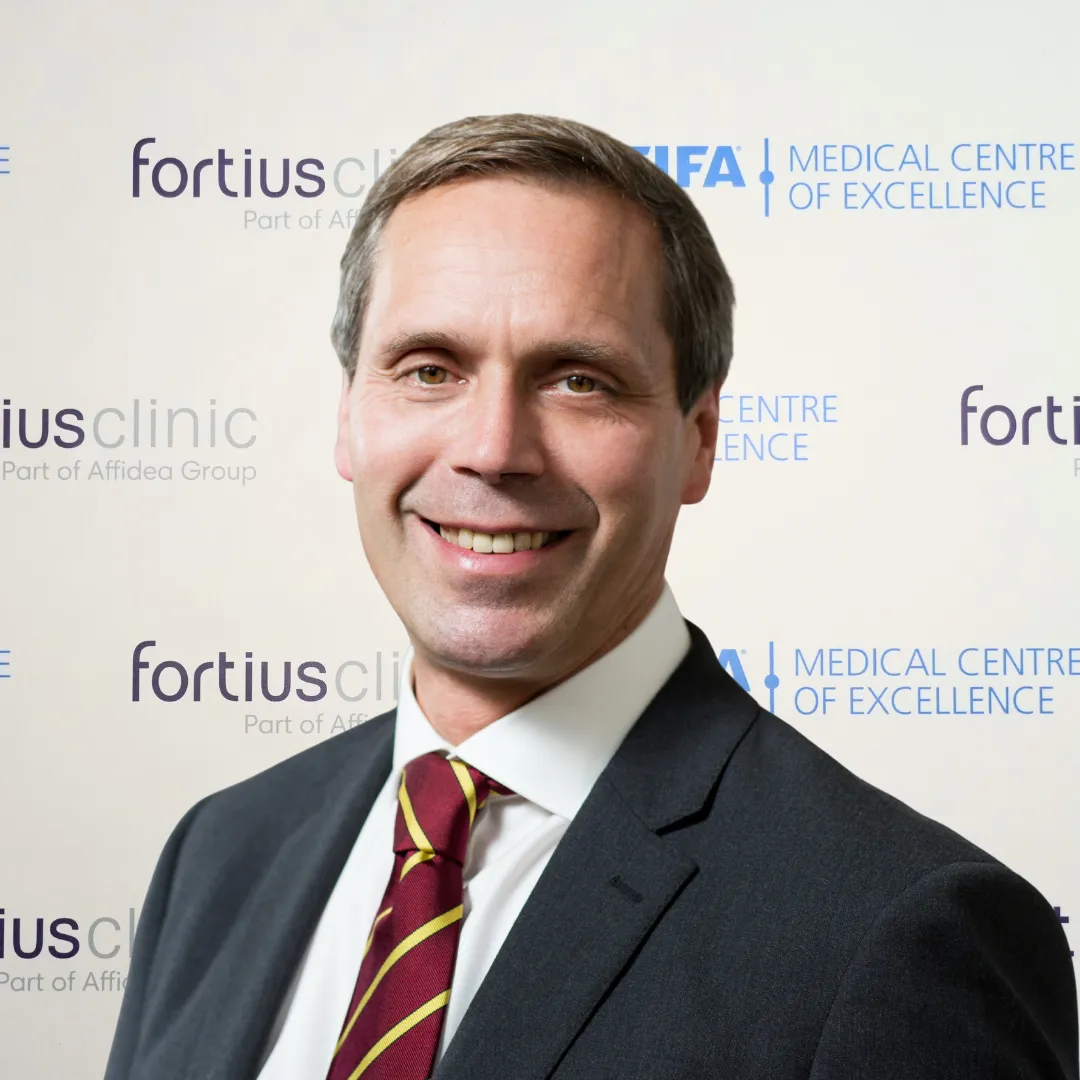
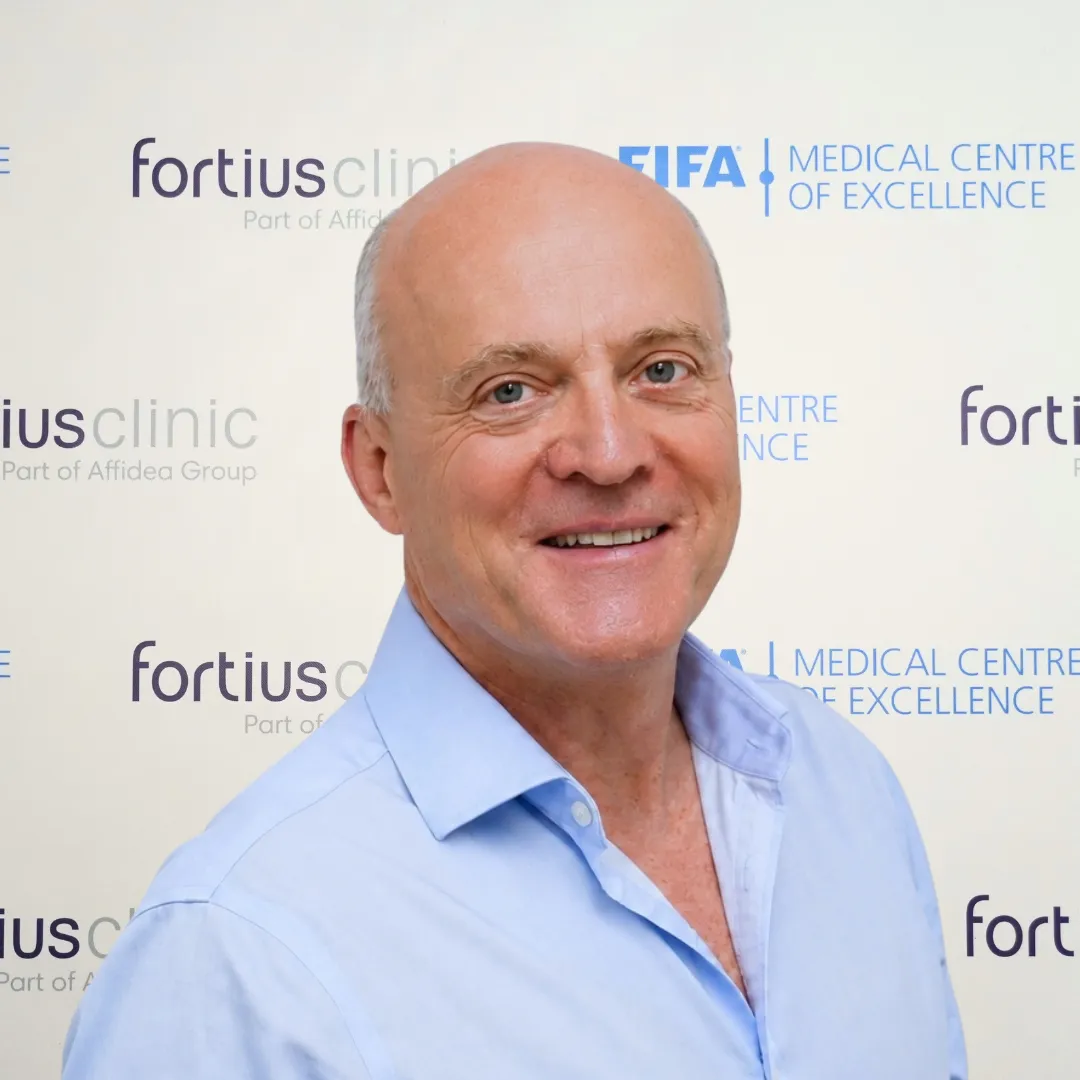
Mr. Giles Heilpern
Knee Replacement, Knee: Soft Tissue and Sports Injuries
London, Wimbledon
Go to bioBook

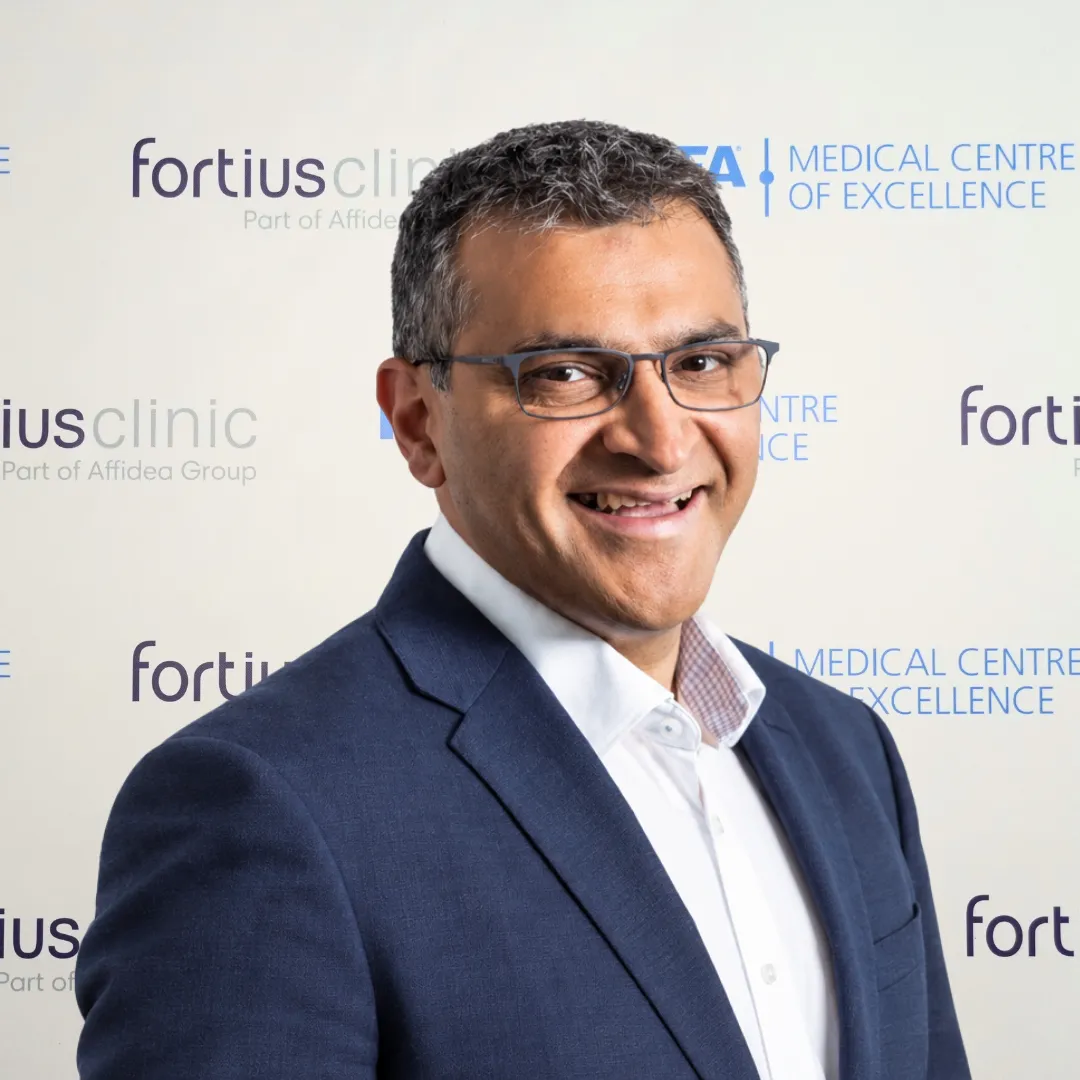
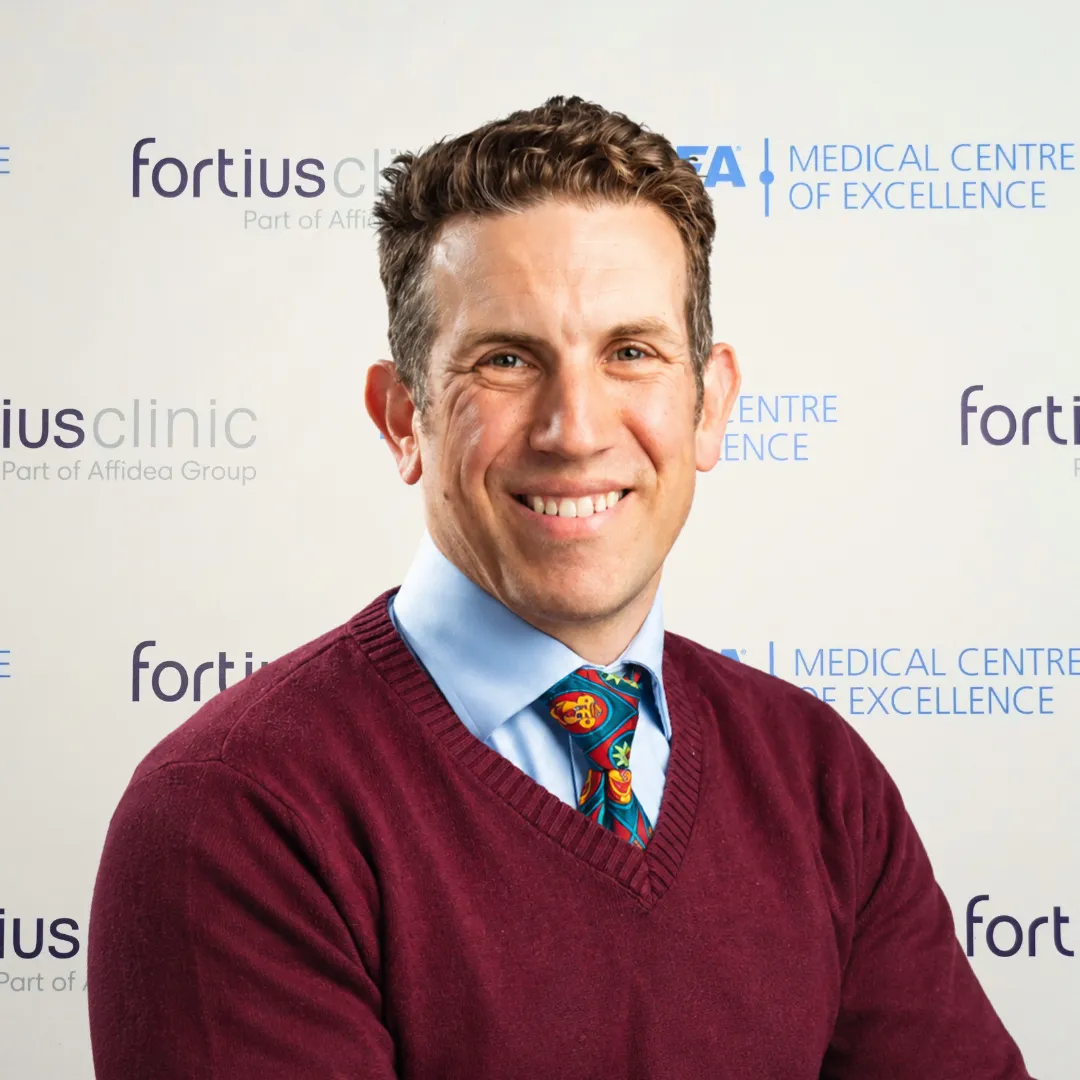
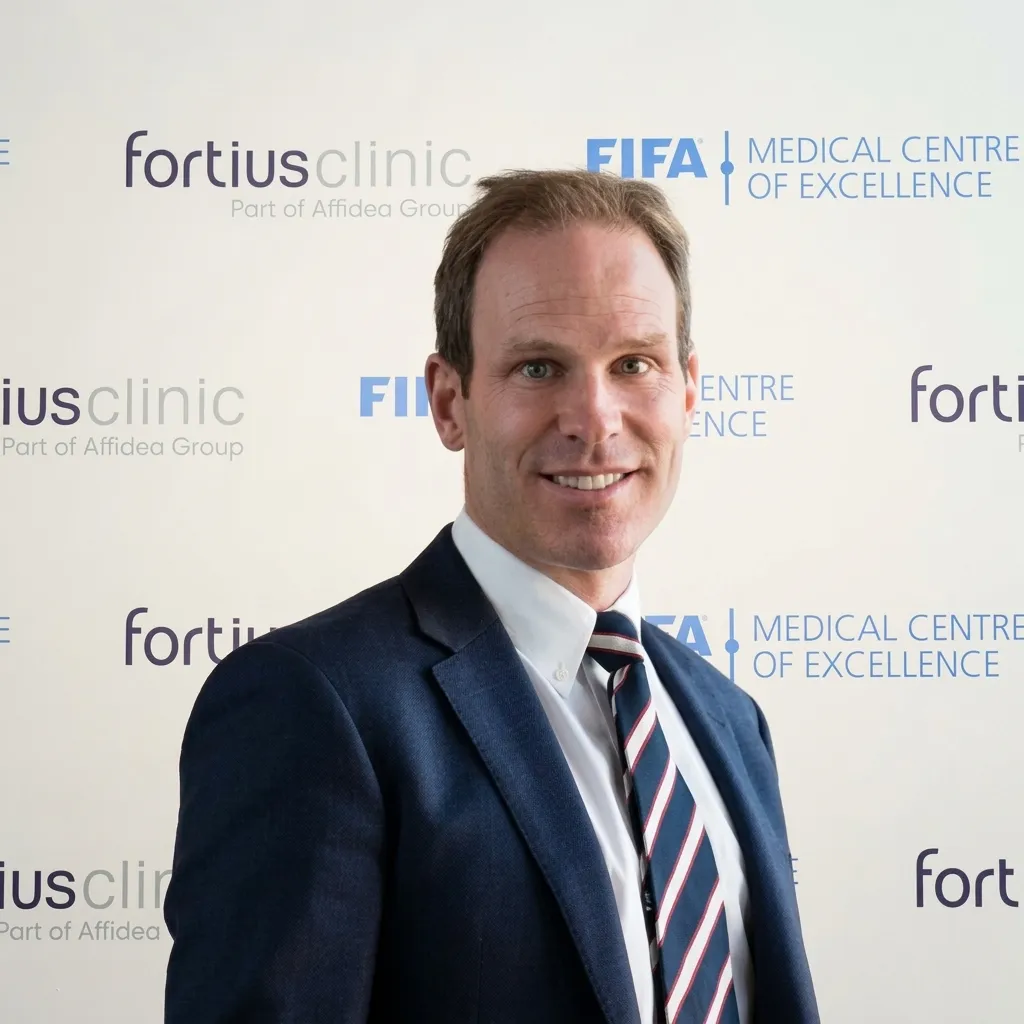
Mr Oliver Templeton-Ward
Knee: Soft Tissue and Sports Injuries, Knee Replacement
London, Wimbledon
Go to bioBook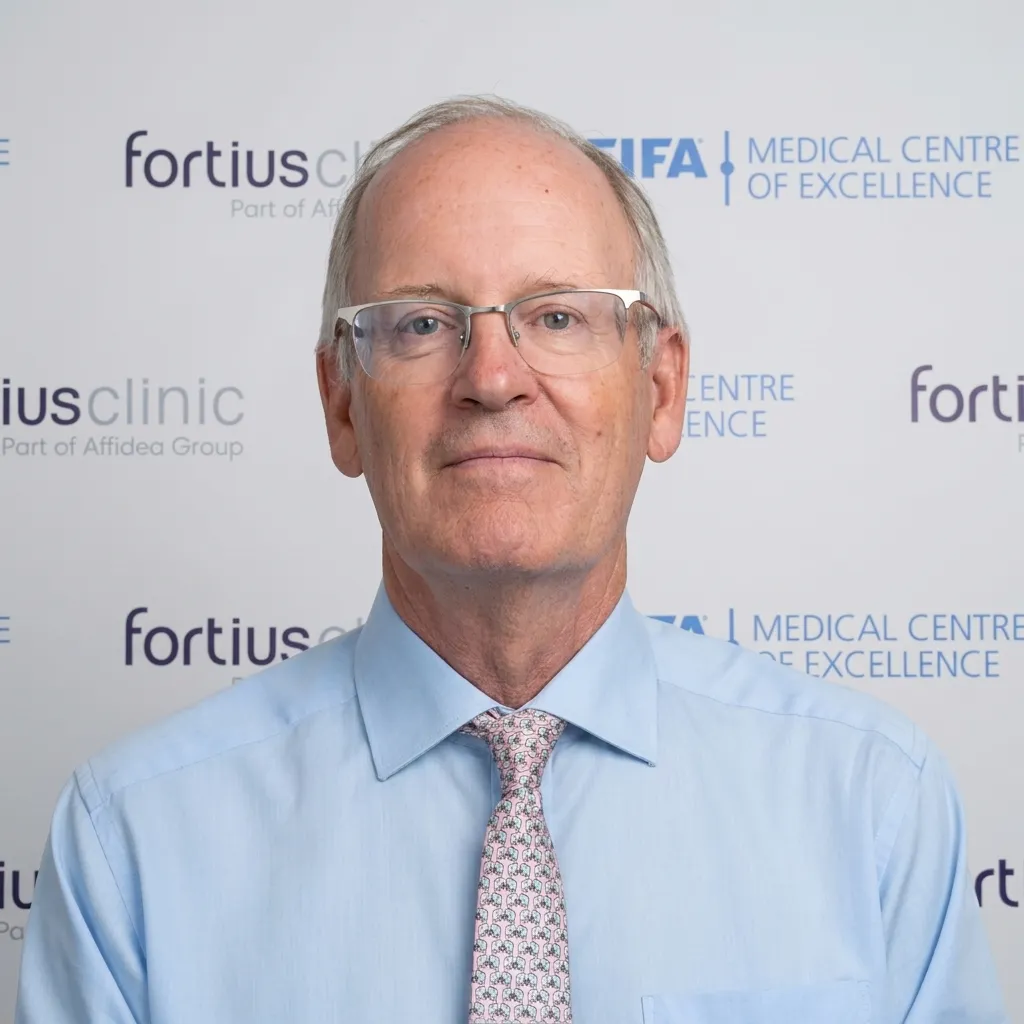
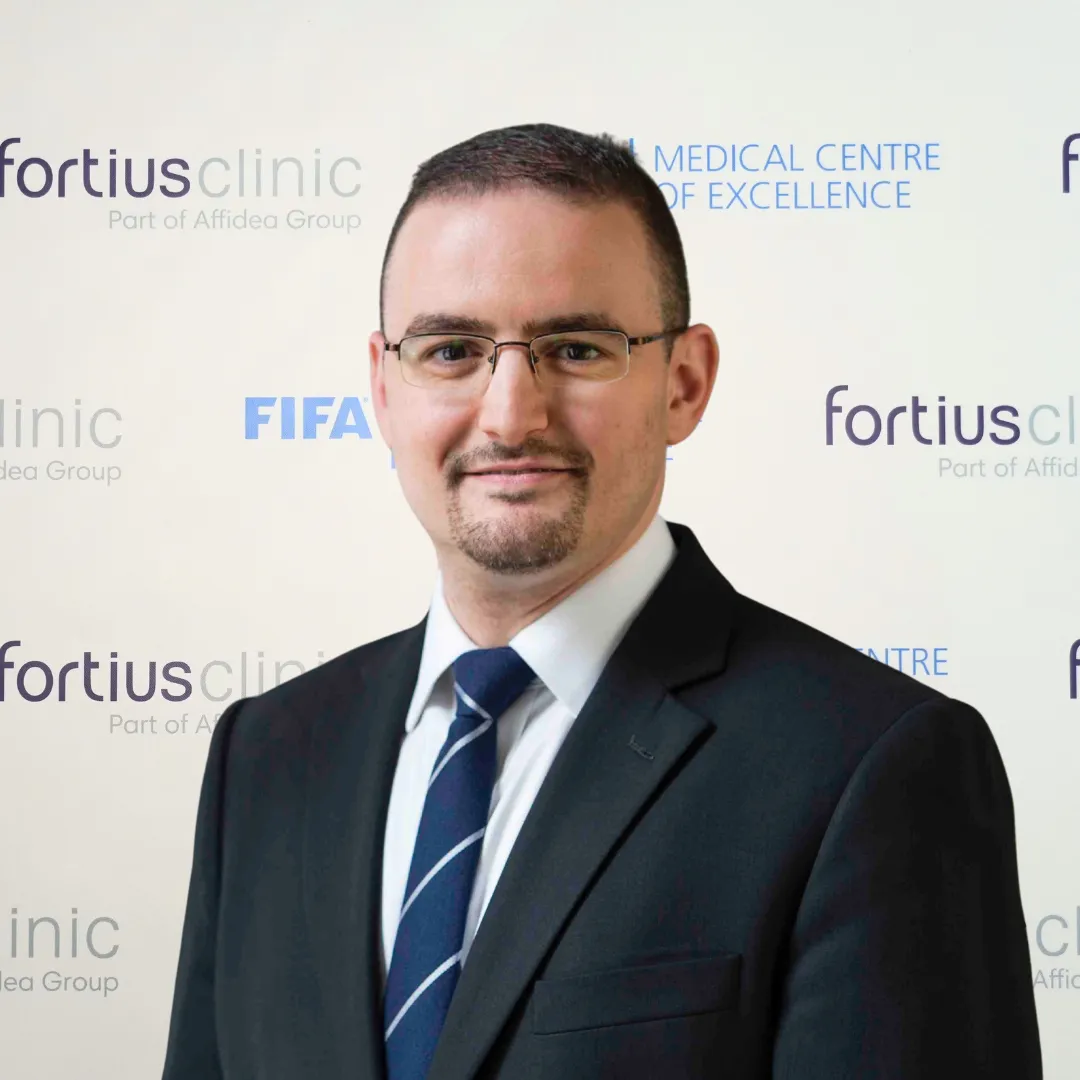
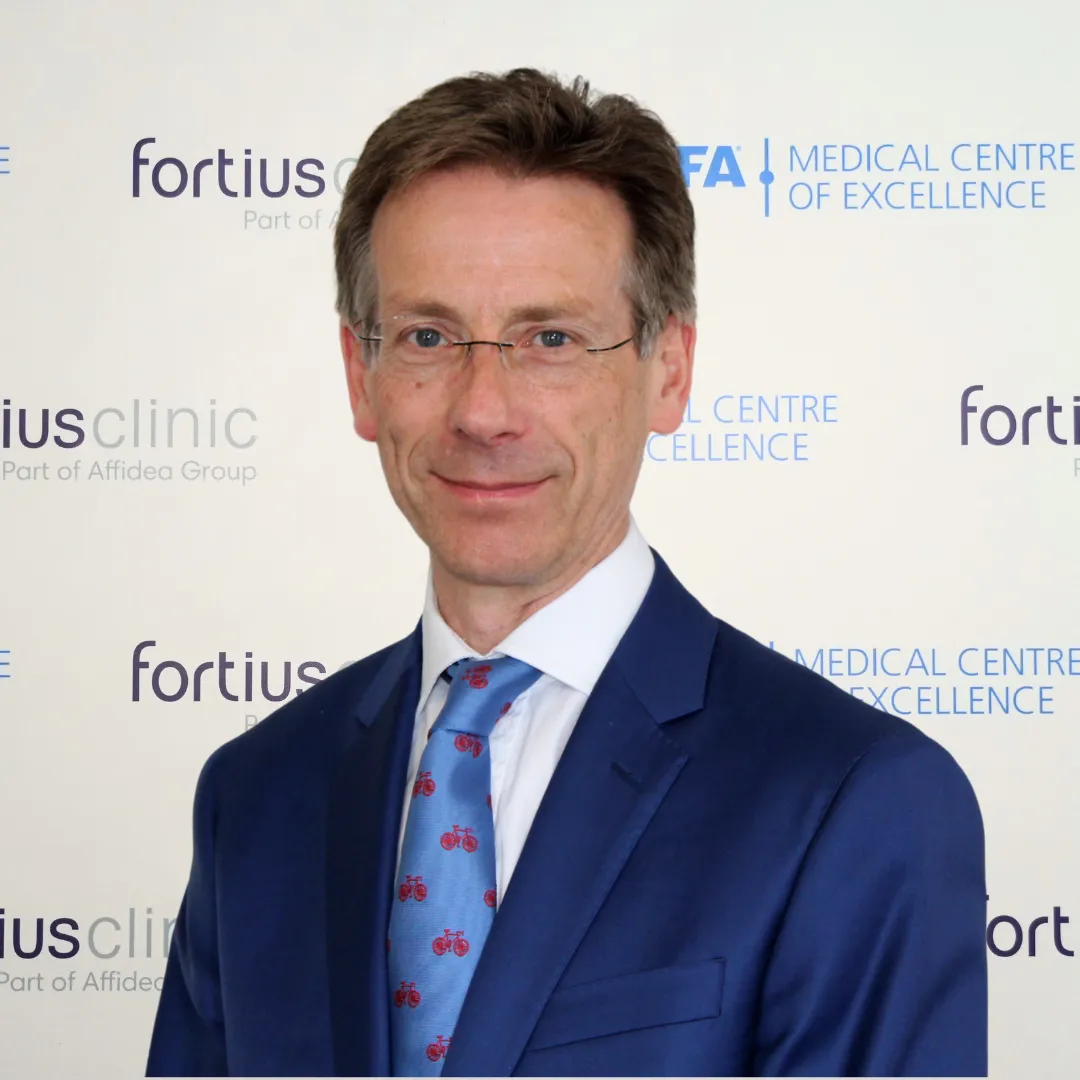
Mr Jonathon Lavelle
Knee: Soft Tissue and Sports Injuries, Knee Replacement
London, Wimbledon
Go to bioBook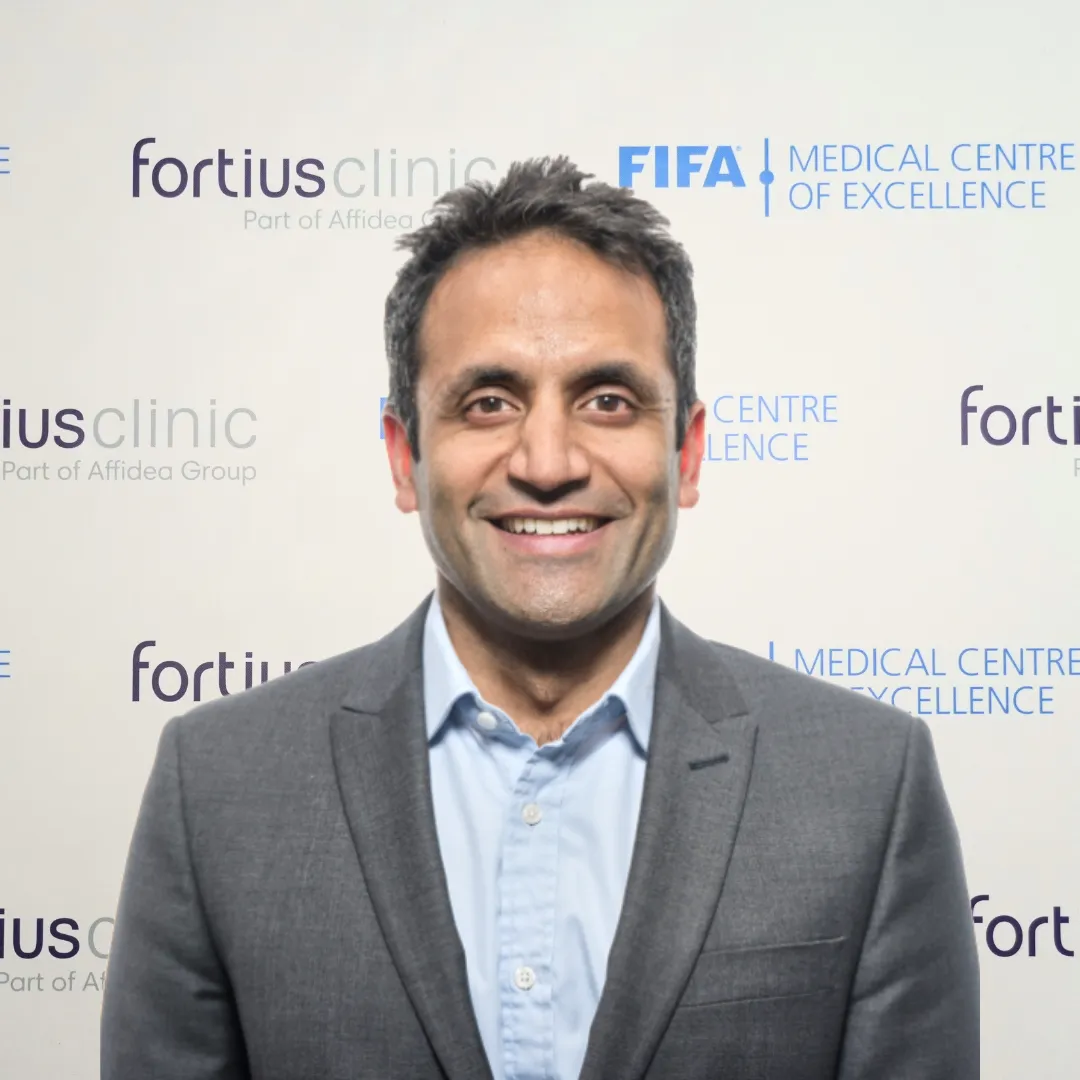


How to pay
We offer flexible options depending on how you choose to access care at Fortius. Whichever option you choose, we’ll help make the process clear and straightforward from the start.
Private medical insurance
If your care is covered by private medical insurance, we’ll usually invoice your insurer directly. Please check your policy in advance and request an authorisation code if your insurer requires one. You’ll be responsible for paying any policy excess or costs that aren’t covered by your insurance.

Paying for yourself
You don’t need private medical insurance to access care at Fortius. If you’re paying for your own treatment, our team will explain the costs clearly and provide a personalised quote before you decide whether to go ahead.
Ligament reconstruction FAQs
Find answers to some of the most common questions about ligament reconstruction, including where graft tissue comes from and what recovery may involve.
Many torn ligaments don’t heal reliably when they’re stitched together because they don’t receive enough blood supply to repair themselves. In these cases, replacing the damaged tissue with a tendon graft can provide the strength needed to steady the joint. Others heal well and don’t need surgery at all.
Your surgeon may use one of your own tendons (an autograft) or donor tendon tissue (an allograft). They’ll explain the benefits of each option and recommend the approach that best suits your injury.
Some procedures can be carried out using keyhole surgery, where a camera and small instruments are passed through a few small cuts. Others are better treated with open surgery through a larger incision.
Your surgeon will explain which approach is recommended for your ligament injury.
Often a splint is needed after surgery to help protect the joint while it heals. this may be a brace, which limits certain movements while you begin guided exercises.
Your care team will explain how long you’ll need to wear it and when you can safely begin moving the joint more.
Find a clinic near you
Fortius Clinic London

Our 79,000 sq ft, seven-story, private hospital on Wigmore Street has 39 en-suite inpatient rooms, consultation and treatment rooms, and a physiotherapy suite.
The hospital has a high-spec imaging suite fully equipped with an MRI, CT scanner and X-ray machine. There are three state-of-the-art operating theatres, two anaesthetic rooms and a recovery bay.
Fortius Clinic London has two Mako robots for hip and knee joint replacements.
- 66 Wigmore Street W1U 2SB
- 0203 195 2442
- Outpatient times are Monday to Friday from 8.00am to 8.00pm.
- Sports & Exercise Medicine
- Snow Injuries Clinic
- Tendon Clinic
- MRI Scan
- Ultrasound
- X-Ray
- Physician services
- Rheumatology
- CT Scan
- Image guided injections
- Physiotherapy
- MAKO Robotic Joint Replacement
- Knee replacement revision clinic
Fortius Clinic Wimbledon
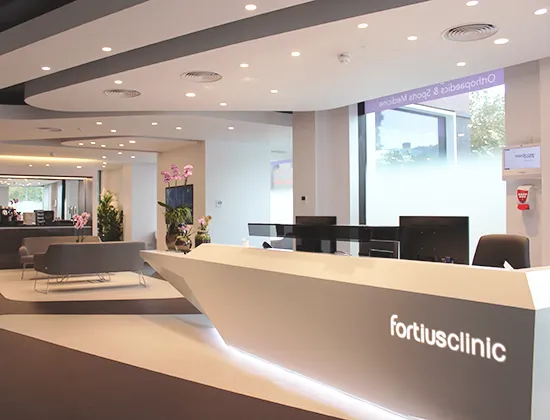
Our Wimbledon clinic houses a state-of-the-art imaging centre with a 3T MRI and X-ray scanners, Ultrasound, seven consulting rooms, two spacious waiting areas and well equipped treatment rooms all located on one level, ensuring easy accessibility for all patients.
Our partnership with Spire St Anthony’s Hospital allows us to provide orthopaedic surgery closer to our clinic. We treat a full range of conditions and perform joint replacement surgery using the latest Mako robotic assisted technology.
The building at 22 Worple Road has steps leading up to the front entrance. If you require assistance please inform us before your arrival by calling ahead on 020 3195 2442
- 22 Worple Road SW19 4DD
- 0203 195 2442
- Outpatient times are Monday to Friday from 8.00am to 8.00pm.
- Snow Injuries Clinic
- MRI Scan
- Ultrasound
- X-Ray
Fortius Clinic Marylebone
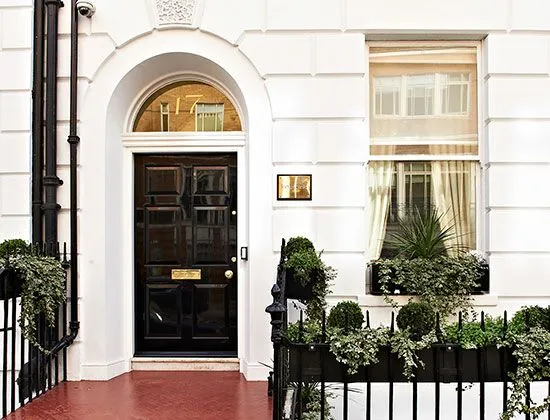
Our Marylebone Clinic is conveniently located in the historic area between Baker Street and Marylebone High Street, just off Manchester Square, home to the iconic Wallace Collection. We have seven consulting rooms, private waiting areas on each floor, well equipped treatment rooms and diagnostic imaging.
- 17 Fitzhardinge StreetW1H 6EQ
- 020 3195 2442
- Outpatient times are Monday to Friday from 8.00am to 8.00pm.
- MRI Scan
- Ultrasound
- X-Ray
- Physician services
- Rheumatology
Fortius Clinic City
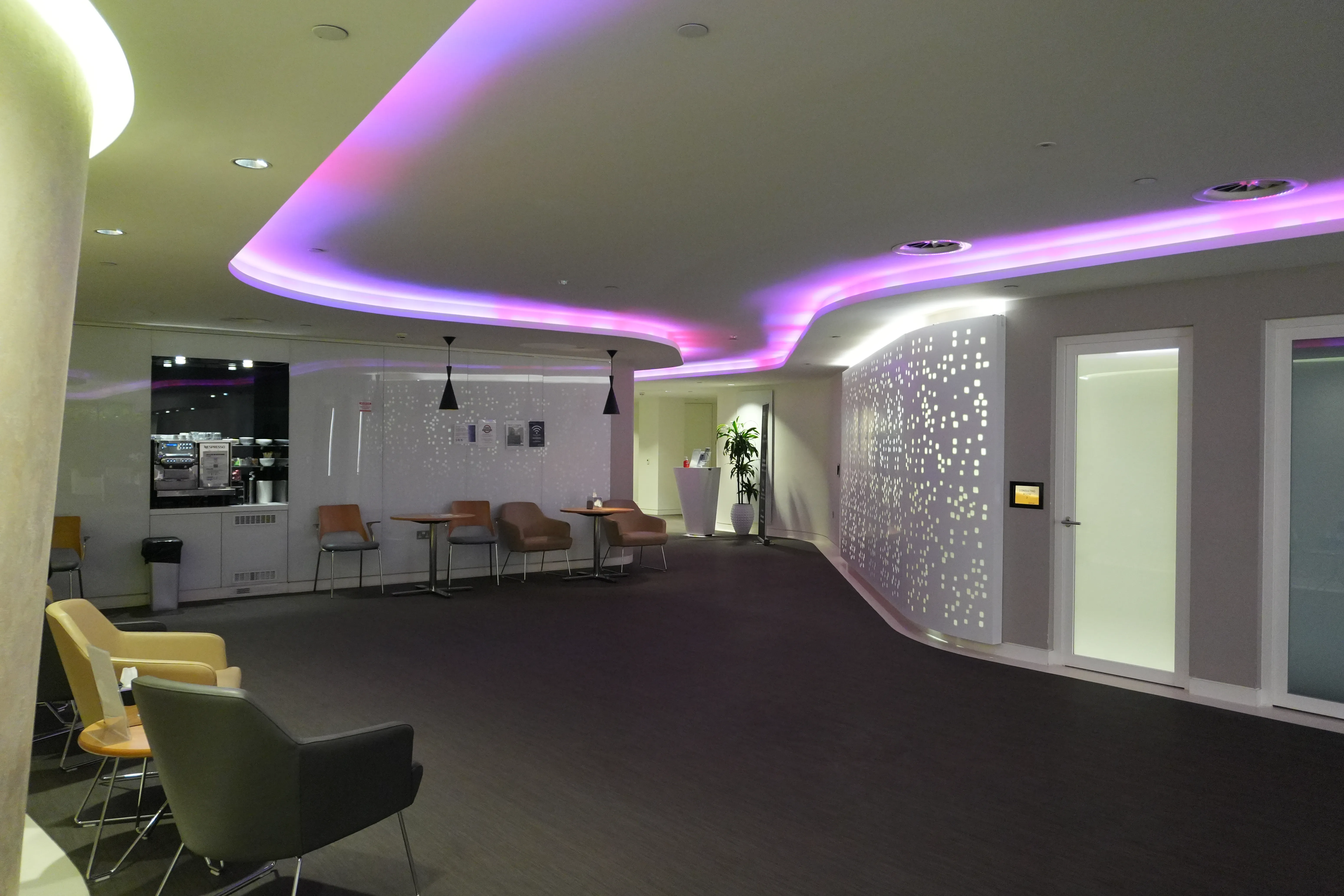
Our City Clinic is conveniently located between Bank and Monument stations, within the historic and financial heart of London. At our modern, two-floor facility we have nine consulting rooms, spacious waiting areas, well equipped treatment rooms and an imaging centre.
Explore our City Clinic with our virtual tour.
If you are travelling by Tube, our closest underground stations are Bank and Monument, exit 6 for King William Street.
Should you be travelling by car, the closest parking is a three minute drive away at NCP Car Park London Vintry Thames Exchange. If you are attending clinic on a weekday, please be aware that we are based in the congestion charge zone.
- 75 King William Street EC4N 7BE
- 0203 195 2442
- Outpatient times are Monday to Friday from 8.00am to 8.00pm.
- Snow Injuries Clinic
- Tendon Clinic
- Sports & Exercise Medicine
- MRI Scan
- Ultrasound
- X-Ray
- Physician services
- Rheumatology
1 of 4