
Distal femur fracture
A distal femur fracture is a break in the lower part of the thigh bone, close to the knee. It is a significant injury that needs prompt assessment to restore alignment, protect the joint and support your recovery.
What causes a distal femur fracture?
In younger people, the injury is often caused by a high-energy impact such as a fall from height or collision. In older people, bones weakened by osteoporosis may fracture after a lower-energy fall.
What are the symptoms?
- severe pain in the knee or lower thigh
- inability to stand or put weight through the leg
- swelling, bruising and tenderness
- a shortened, crooked or visibly deformed leg after a displaced fracture
This injury needs urgent medical assessment.
How is it diagnosed?
Your specialist will examine the leg and arrange X-rays. A CT scan may be used to show the fracture in more detail and plan treatment, particularly if the joint surface is involved.
How is it treated?
Treatment depends on the stability, position and complexity of the fracture, as well as your bone health and general health.
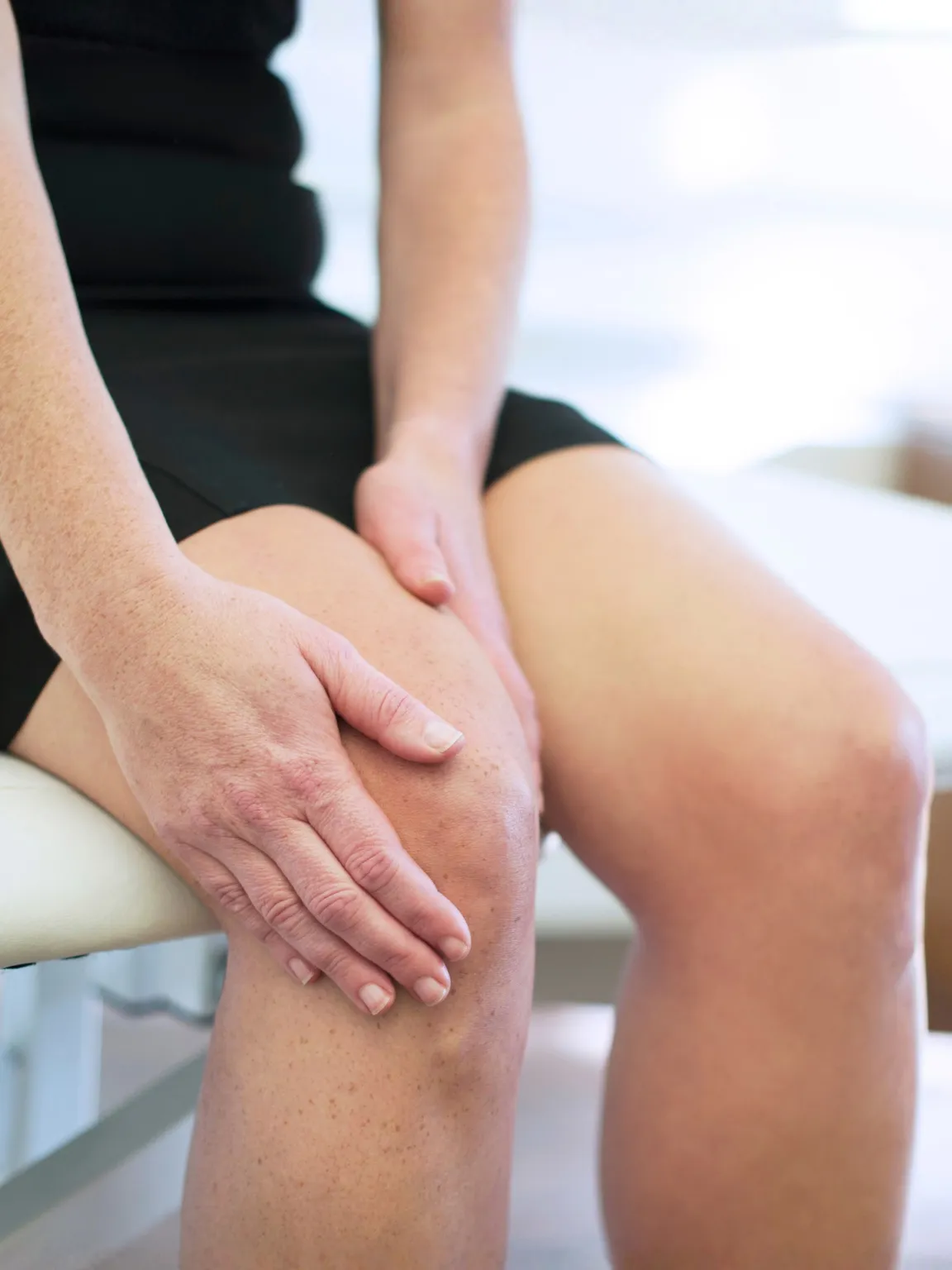
Treatment routes for distal femur fracture
A stable fracture that remains well aligned may sometimes be treated with a brace, temporary limits on weight-bearing and physiotherapy as healing progresses.
Working with professionals and teams
Our consultants support professional athletes, sports teams, active individuals and people whose work places repeated demands on their knees. Working closely with physiotherapists, strength and conditioning specialists and the wider multidisciplinary team, they develop personalised treatment plans that support a safe return to sport, work and everyday activities.
The same specialist expertise and collaborative approach are available to every patient, whatever your activity level or recovery goals.

Our Experts - Leaders in Soft Tissue and Sports Knee Treatments
Dedicated to restoring your mobility through advanced surgical care, tailored rehabilitation programmes, and compassionate, evidence-based patient support.

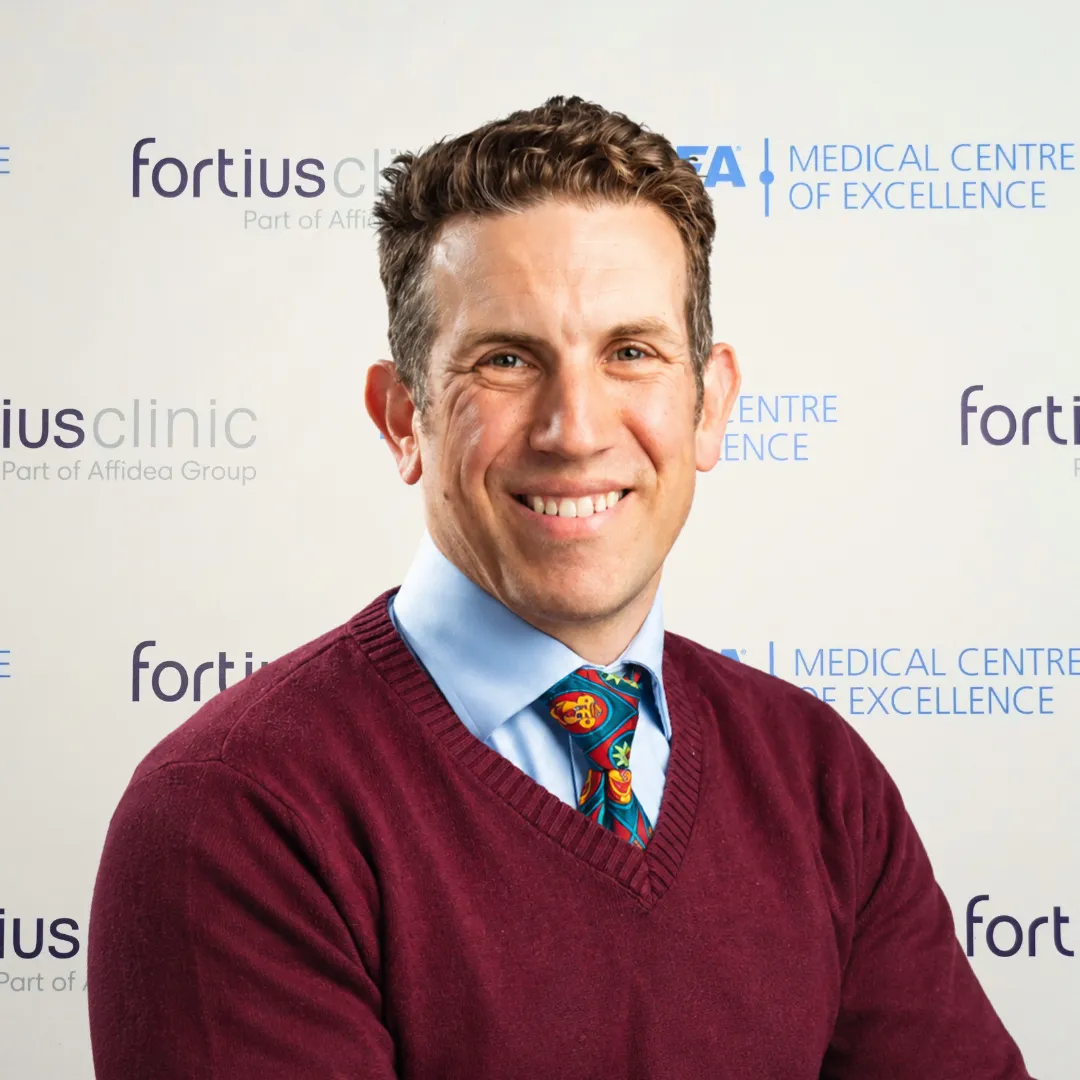
Mr Andrew Davies
Knee: Soft Tissue and Sports Injuries, Knee Replacement
London, Wimbledon
Go to bioBook
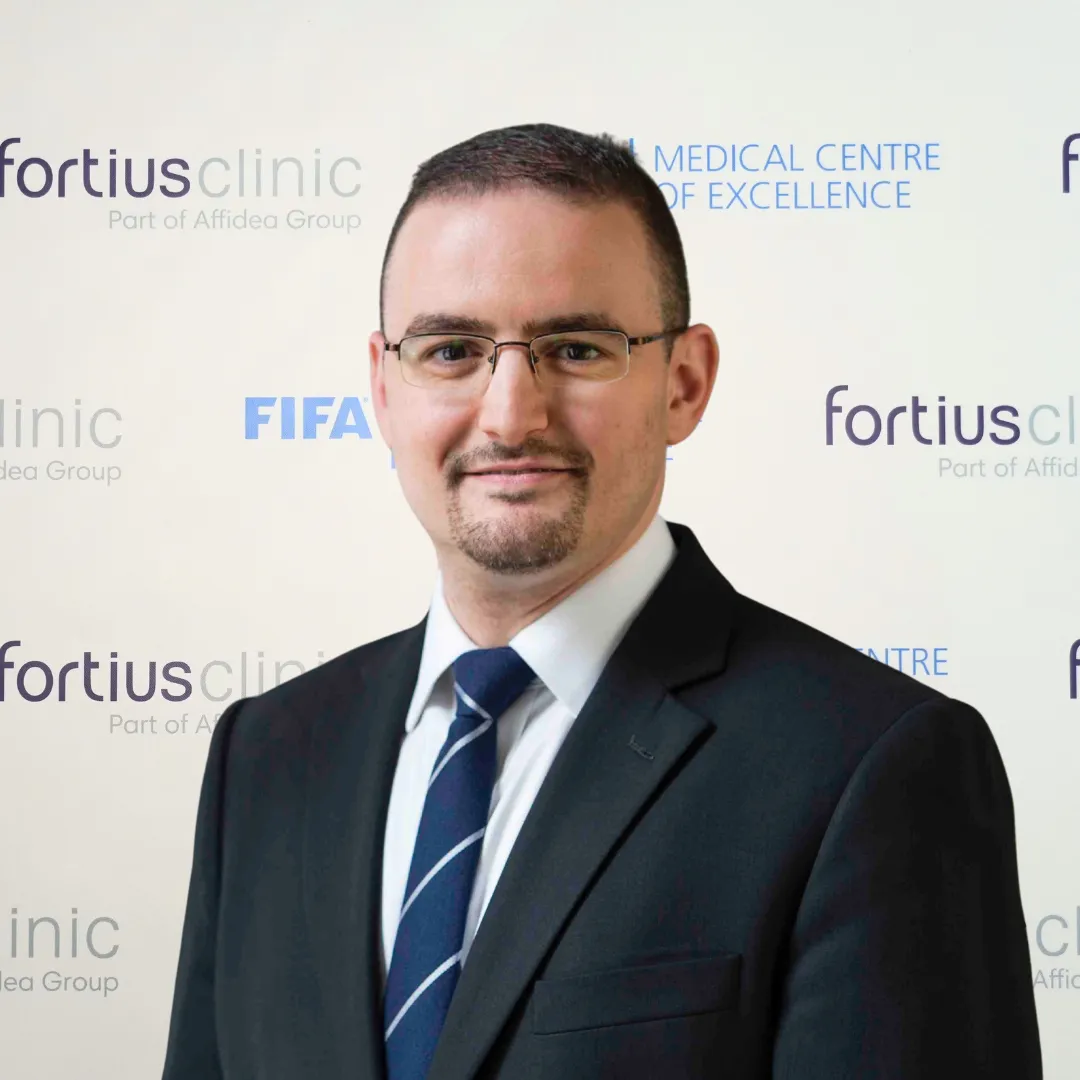
Mr. Giles Heilpern
Knee Replacement, Knee: Soft Tissue and Sports Injuries
London, Wimbledon
Go to bioBook

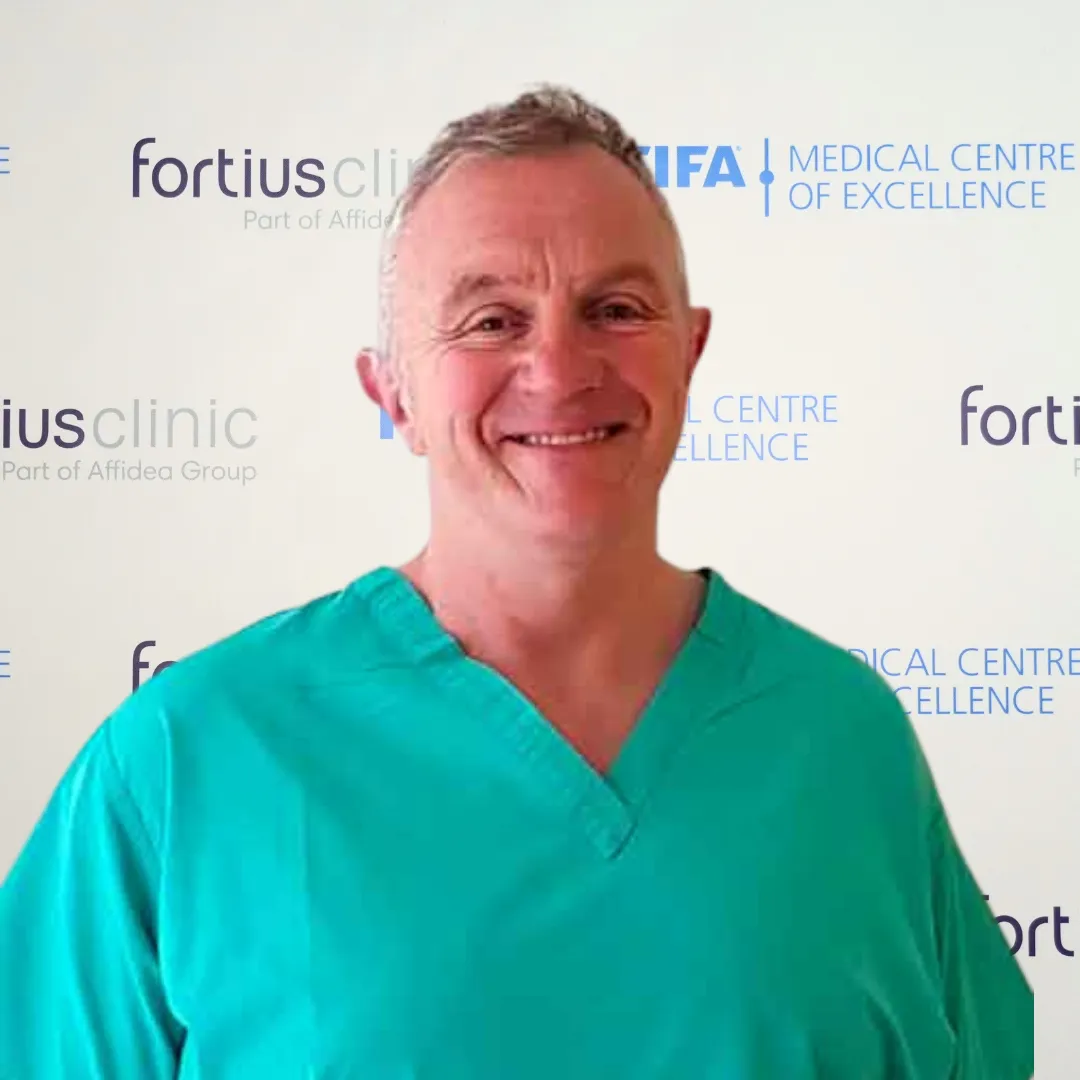
Mr Oliver Templeton-Ward
Knee: Soft Tissue and Sports Injuries, Knee Replacement
London, Wimbledon
Go to bioBook
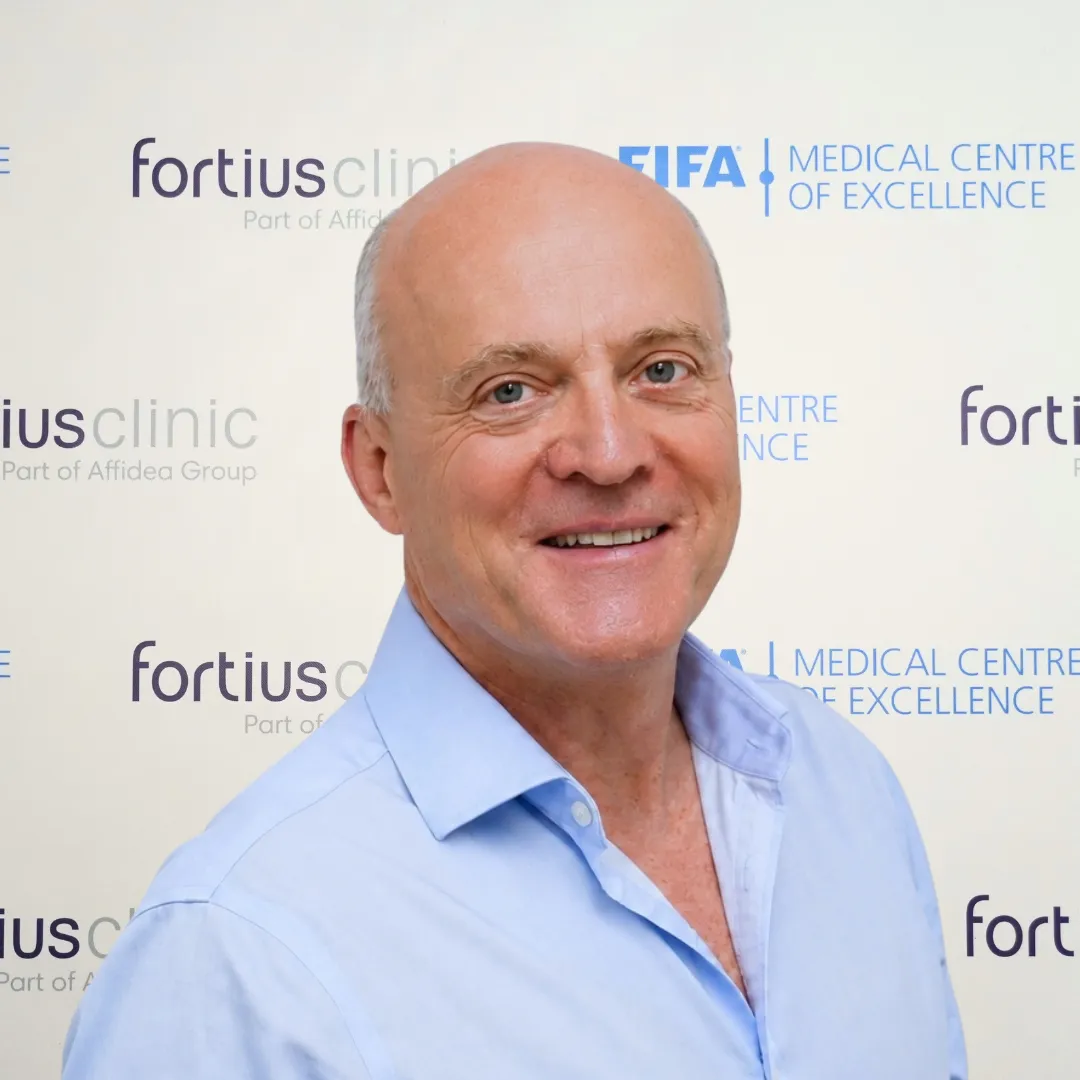
Mr Jonathon Lavelle
Knee: Soft Tissue and Sports Injuries, Knee Replacement
London, Wimbledon
Go to bioBook





How to pay
We offer flexible options depending on how you choose to access care at Fortius. Whichever option you choose, we’ll help make the process clear and straightforward from the start.
Private medical insurance
If your care is covered by private medical insurance, we’ll usually invoice your insurer directly. Please check your policy in advance and request an authorisation code if your insurer requires one. You’ll be responsible for paying any policy excess or costs that aren’t covered by your insurance.

Paying for yourself
You don’t need private medical insurance to access care at Fortius. If you’re paying for your own treatment, our team will explain the costs clearly and provide a personalised quote before you decide whether to go ahead.