
Anterior cutaneous nerve entrapment syndrome (ACNES)
Anterior cutaneous nerve entrapment syndrome (ACNES) is a recognised cause of chronic abdominal wall pain that occurs when small nerve branches become pinched or compressed in the abdominal muscle.
ACNES overview
ACNES remains a significantly underdiagnosed condition and is frequently overlooked when investigating abdominal discomfort. The pain occurs when the cutaneous branches of the lower thoracoabdominal intercostal nerves become trapped or compressed as they pass through the lateral border of the rectus abdominis muscle (the 'six-pack' muscle). The condition is characterised by severe, chronic pain on one side of the abdomen, usually located just next to the midline. While ACNES can sometimes develop following previous abdominal surgery, in many cases, no specific underlying cause is found. It is important to note that ACNES originates in the abdominal wall itself, not within the internal organs. Therefore, it is not associated with gastrointestinal symptoms such as diarrhoea, constipation, altered bowel habits, or weight loss.
How is ACNES diagnosed?
Because ACNES mimics internal organ pain, it is essential to first rule out underlying gastrointestinal or surgical conditions. Your specialist may arrange blood tests, endoscopic examinations, or CT imaging to ensure there is no other intra-abdominal pathology.
A diagnosis of ACNES is typically confirmed using specific clinical criteria:
- Unilateral localised pain: Pain on one side of the abdominal wall that has persisted for at least one month.
- Fingertip tenderness: A precise trigger point of maximal tenderness (less than 2 cm²) located at the outer border of the rectus abdominis muscle.
- Positive Carnett’s test: During a physical examination, your consultant will press on the tender point while you tense your abdominal muscles (such as holding a 'sit-up' position). If the pain increases when muscles are tensed, the test is positive, indicating the pain originates in the abdominal wall rather than inside the abdomen.
- Altered skin sensation: Increased sensitivity, numbness, or altered perception to light touch or cold over the painful area (positive skin pinch test).
- Diagnostic local anaesthetic injection: A temporary reduction in pain (50% or more) following a targeted local anaesthetic injection (such as lidocaine) into the trigger point confirms the diagnosis.
How is it treated?
ACNES is best managed through a multidisciplinary approach involving pain specialists, gastrointestinal clinicians, and abdominal wall surgeons.
- Targeted nerve medications & injections: Specialist pain medications designed for nerve pain (such as amitriptyline or gabapentin) may be prescribed alongside anti-inflammatories. Diagnostic local anaesthetic and steroid trigger point injections can provide significant, and sometimes long-term, pain relief. Stronger agents, such as botulinum toxin (Botox), may also be considered in selective cases.
- Pulsed radiofrequency (PRF): Guided by ultrasound, a pain specialist places a specialized electrical probe near the trapped nerve. Low-energy electrical pulses are applied to stun the nerve and disrupt pain signals without causing permanent tissue damage or burning.
- Surgical neurectomy: If non-surgical treatments and injections do not provide lasting relief, surgery may be considered. Performed as a day-case procedure under general anaesthetic, a small incision is made directly over the trigger point to divide (neurectomise) the small cutaneous nerves piercing the abdominal wall. Surgery has a high success rate, with studies showing up to 70–85% long-term pain improvement.
Are there any risks?
Complications from ACNES treatments or surgery are generally low, but potential risks include:
- Temporary or incomplete pain relief requiring further multidisciplinary management
- Side effects from strong nerve pain medications or painkillers (such as drowsiness or constipation)
- Temporary bruising, swelling, or localized soreness around injection sites
- Infection at the surgical incision site or localized scar tissue tenderness
- Permanent numbness in the small patch of skin supplied by the divided nerve
- The need for repeat radiofrequency or surgical interventions
Your specialist will discuss all potential treatment risks with you in detail during your consultation.
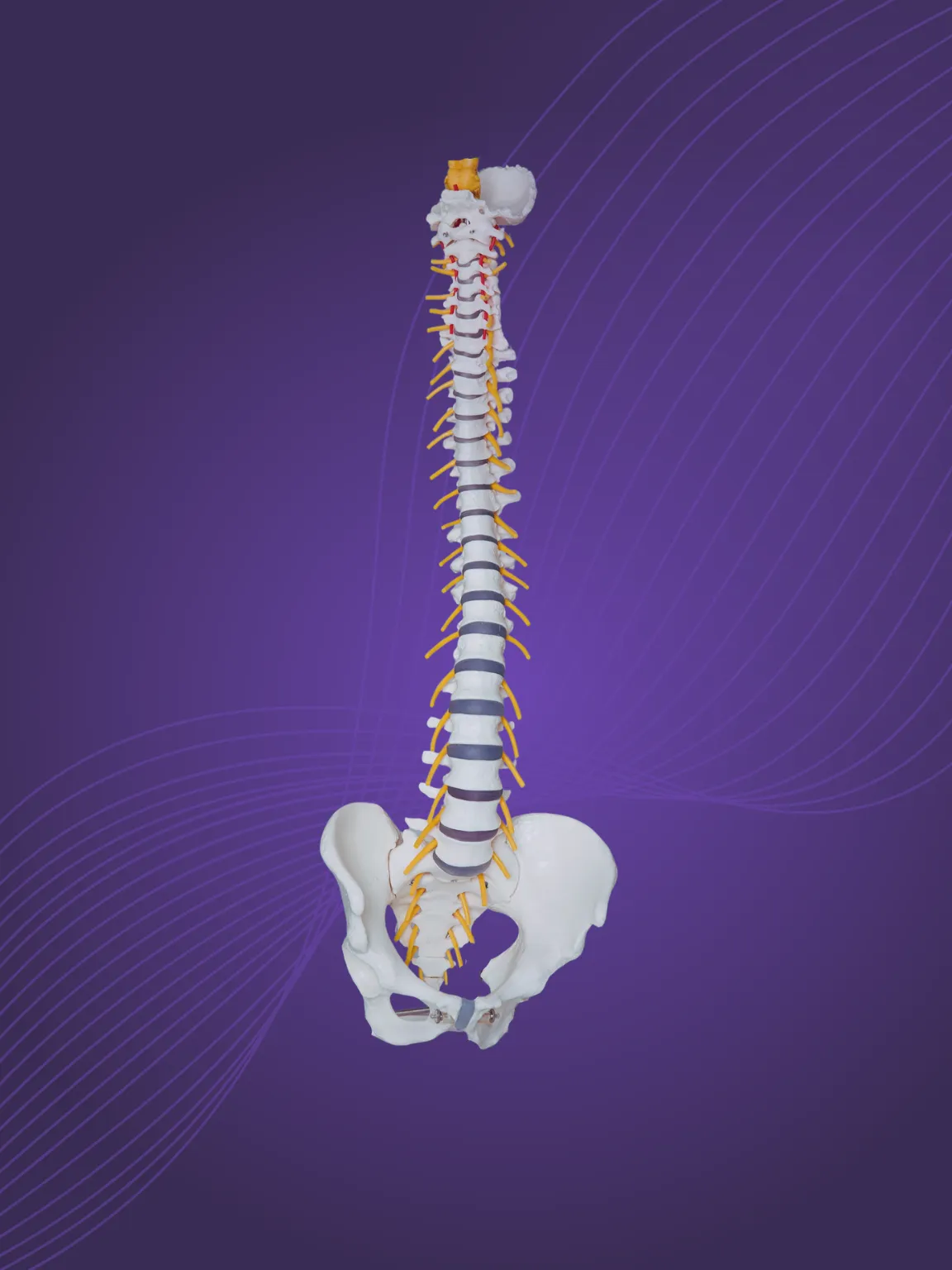
Recovery and rehabilitation from ACNES treatment
Rest and post-procedure care
Following injections or day-case surgery, focus on resting and protecting the area. Keep surgical dressings clean and dry. Light daily walking is encouraged, but avoid sudden twisting, heavy lifting, or strenuous abdominal exercise.
Gradual mobilisation and weaning of medication
Surgical stitches are typically checked or removed around 10 to 14 days. As abdominal wall pain improves, your specialist pain consultant will guide you on gradually reducing or stopping nerve pain medications. Guided gentle stretching and posture exercises can begin.
Rehabilitation and functional return
Physiotherapy focuses on gentle core stabilisation, functional movement, and building physical confidence. Most everyday activities, work, and light exercise can be comfortably resumed during this phase.
Working with Spine professionals and teams
Our spine specialists support professional athletes, sports teams, active individuals and people whose work places high demands on their spines. Working closely with radiologists, physiotherapists and the wider multidisciplinary team, they provide coordinated care from diagnosis through to rehabilitation, helping each person return safely to sport, work or everyday activities.
The same specialist expertise and collaborative approach are available to every patient, whatever your activity level or recovery goals.

Our Experts - Leaders in Spine treatment









How to pay
We offer flexible options depending on how you choose to access care at Fortius. Whichever option you choose, we’ll help make the process clear and straightforward from the start.
Private medical insurance
If your care is covered by private medical insurance, we’ll usually invoice your insurer directly. Please check your policy in advance and request an authorisation code if your insurer requires one. You’ll be responsible for paying any policy excess or costs that aren’t covered by your insurance.

Paying for yourself
You don’t need private medical insurance to access care at Fortius. If you’re paying for your own treatment, our team will explain the costs clearly and provide a personalised quote before you decide whether to go ahead.