
Mallet finger
If the tip of your finger droops after an injury and you can’t straighten it, you may have mallet finger.
Simple treatments come first
Most injuries don’t need surgery
Mallet finger can often heal with the right splint worn carefully for the recommended time.
Know what to expect
Practical advice for everyday life
We’ll explain how to protect your finger and care for your splint while it heals.
Support beyond the appointment
Hand therapy when you need it
Our hand therapists provide personalised aftercare and recovery guidance.
What is mallet finger?
Mallet finger, sometimes called baseball finger, is an injury to the tendon that straightens the end of your finger (the extensor tendon). The tendon may tear or pull away a small piece of bone where it attaches to your finger. In either case, the fingertip usually droops, and you can’t straighten it by yourself.
What causes mallet finger?
Mallet finger usually happens when the tip of a straight finger is suddenly forced downwards. This can happen when a ball hits the end of your finger during sport, although a much smaller everyday knock can sometimes cause the same injury.
What are the symptoms of mallet finger?
The clearest sign is a fingertip that suddenly droops and won’t straighten on its own, even though the rest of the finger still moves normally.
You may also notice:
- Pain or tenderness around the end of your finger
- Swelling after the injury
- Bruising around the fingertip
- Difficulty with tasks that need a straight fingertip, such as typing or fastening buttons
How is mallet finger diagnosed?
Your specialist will ask how the injury happened and examine your finger to see how well you can straighten it. You’ll usually have an X-ray to check for a break and see how the joint has been affected.
How is mallet finger treated?
Most mallet finger injuries don’t need surgery. The usual treatment is a splint that holds the fingertip straight day and night while the tendon or bone heals. Depending on the type of injury and how well it’s healing, this is often needed for about six to eight weeks.
Surgery is much less common and is generally considered when there’s a larger break or the finger joint has moved out of position. Your specialist will explain the most appropriate option after assessing your injury.
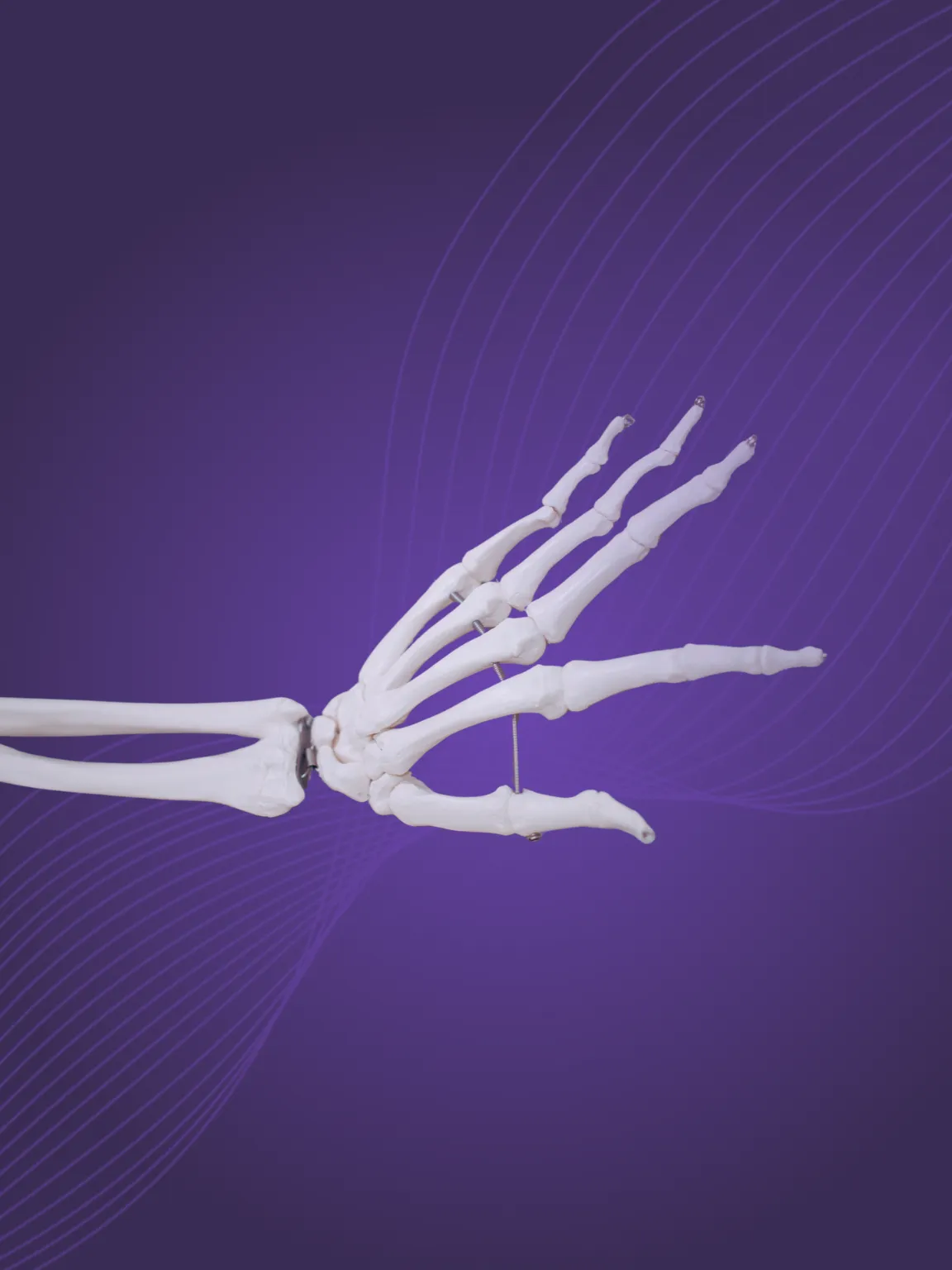
Treatment routes for a mallet finger
Your treatment will depend on what has been injured and what your X-ray shows. For most people, treatment focuses on keeping the fingertip straight while it heals. Your specialist will recommend the right approach based on your injury.
A splint holds the end of your finger straight so the injured tendon or bone can heal. It’s important to wear it for as long as your care team recommends and to keep the fingertip straight even when the splint is removed for cleaning.
If the fingertip bends too soon, it can interrupt healing, and you may need to wear the splint for longer. Your specialist may advise you to keep your hand raised at first to help with swelling.
Looking after your finger while it heals
Keep the fingertip straight
Your splint is designed to stop the injured joint from bending while the tendon heals. If you need to remove it for cleaning, support the fingertip in a straight position throughout the process.
Look after your skin and splint
Keep your finger and splint dry to help prevent the skin underneath becoming sore. Your care team can show you how to clean your finger without bending the injured joint.
Keep the rest of your hand moving
You can usually continue moving the middle joint of the injured finger while the end joint stays protected. Your hand therapist may also recommend gentle movement to help prevent unnecessary stiffness elsewhere in your hand.
Return to activity gradually
Once your finger has healed enough, your care team will explain when you can start using it more normally and when to reduce the amount of time you wear your splint. It can take several months for tenderness or swelling to settle fully, so recovery may continue after you stop wearing the splint.
Working with Hand and Wrist professionals and teams
Our hand and wrist specialists support professional athletes, sports teams, active individuals and people whose work places high demands on their hands and wrists. Working closely with radiologists, physiotherapists and the wider multidisciplinary team, they provide coordinated care from diagnosis through to rehabilitation, helping each person return safely to sport, work or everyday activities.
The same specialist expertise and collaborative approach are available to every patient, whatever your activity level or recovery goals.

Our Experts - Leaders in Hand and Wrist treatment










How to pay
We offer flexible options depending on how you choose to access care at Fortius. Whichever option you choose, we’ll help make the process clear and straightforward from the start.
Private medical insurance
If your care is covered by private medical insurance, we’ll usually invoice your insurer directly. Please check your policy in advance and request an authorisation code if your insurer requires one. You’ll be responsible for paying any policy excess or costs that aren’t covered by your insurance.

Paying for yourself
You don’t need private medical insurance to access care at Fortius. If you’re paying for your own treatment, our team will explain the costs clearly and provide a personalised quote before you decide whether to go ahead.