
Breastbone injuries
Overview of breastbone injuries
What causes a breastbone injury?
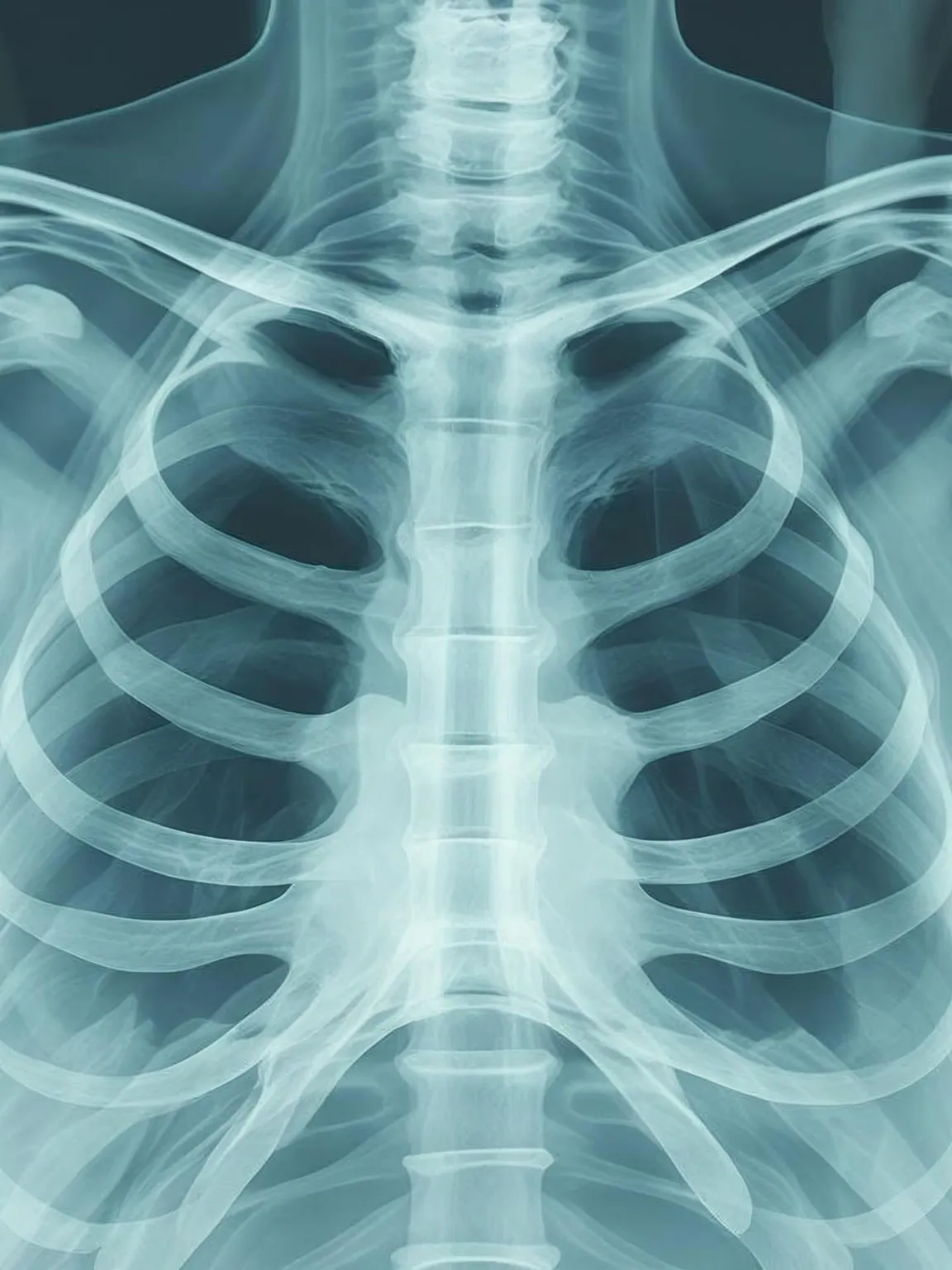
The breastbone, also known as the sternum, is the flat bone in the centre of your chest. It connects to the upper ribs and forms the front of the rib cage.
Because the breastbone is strong, a fracture is often caused by a significant force, such as:
- A road traffic collision
- A direct blow to the chest
- A fall
- A sporting injury
- Heavy impact from a seat belt
A smaller impact may cause a fracture if the bones have become weaker with age or a condition such as osteoporosis.
What are the symptoms of a breastbone injury?
You may notice:
- Sharp pain in the centre of your chest
- Tenderness when the breastbone is touched
- Pain when breathing deeply
- Pain when coughing, laughing or sneezing
- An ache that feels worse at night or in the morning
- Pain when lying on your front or side
- Swelling or bruising
- A raised area or change in the shape of the breastbone
Chest pain can have several possible causes. Call 999 if you have sudden chest pain or discomfort that does not go away, particularly if you also have difficulty breathing, sweating, nausea, or pain spreading to your arms, back, neck or jaw. These could be signs of a heart attack and need urgent medical attention.
How are breastbone injuries diagnosed?
Your consultant will ask how the injury happened and examine the centre of your chest carefully. They’ll check for pain, swelling, bruising and any change in the shape or stability of the breastbone.
A standard chest X-ray is not a reliable way of finding a breastbone fracture, because the breastbone lies directly over the spine and heart on that view. A normal chest X-ray does not mean your breastbone is not broken. A view taken from the side, or a CT scan, is much more useful. A CT scan is the most reliable test and also shows any associated injury.
Because a broken breastbone can happen alongside other chest injuries, further tests may sometimes be needed. Your consultant will explain which investigations are appropriate and what the results mean.
How are breastbone injuries treated?
Pain at the very bottom of the breastbone, in the area people describe as the solar plexus, is common. It often follows a minor injury, heavy abdominal exercise such as sit-ups, or becomes noticeable after significant weight loss. The xiphisternum is cartilage rather than bone and is prone to injury and inflammation, which can cause long-lasting discomfort. Because it sits at the top of the abdomen it is often mistaken for indigestion. It is treatable, and where it does not settle the xiphoid can be removed as a day-case procedure.
Treatment usually focuses on controlling pain, maintaining comfortable breathing and avoiding movements that place too much strain on the chest.
Surgery may be considered if the bone has moved out of place, remains unstable or hasn’t healed properly.
Treatment routes for breastbone injuries
The right approach will depend on the severity of your injury, whether the breastbone is stable and whether other areas of the chest have been affected.
Your treatment plan may include:
- Suitable pain relief
- Temporarily avoiding heavy lifting and strenuous exercise
- Regular deep-breathing exercises
- Gentle movement and short walks
- A gradual exercise programme
- Physiotherapy, where appropriate
Your care team will support you in increasing your activity safely as the bone heals.
Recovery goals after a breastbone injury
Phase 1 goals:
Protect the breastbone Manage pain and swelling Maintain comfortable breathing Keep moving gently Avoid lifting, pushing or pulling heavy items
Phase 2 goals:
Restore comfortable upper-body movement Gradually return to everyday activities Rebuild strength Increase walking and gentle exercise Reduce reliance on pain relief
Phase 3 goals:
Continue building strength and confidence Return to physically demanding work gradually Resume exercise and hobbies Return to contact activity when your care team confirms it is safe
Working with professionals and teams
Our consultants support professional athletes, sports teams and active individuals with the assessment and treatment of chest wall injuries. Working closely with physiotherapists, strength and conditioning specialists and the wider care team, they develop personalised treatment plans that support a safe return to sport or everyday activities.
The same specialist expertise and collaborative approach are available to every patient, whatever your activity level or goals.

Our Experts - Leaders in Chest treatment

How to pay
We offer flexible options depending on how you choose to access care at Fortius. Whichever option you choose, we’ll help make the process clear and straightforward from the start.

Private medical insurance
If your care is covered by private medical insurance, we’ll usually invoice your insurer directly. Please check your policy in advance and request an authorisation code if your insurer requires one. You’ll be responsible for paying any policy excess or costs that aren’t covered by your insurance.

Paying for yourself
You don’t need private medical insurance to access care at Fortius. If you’re paying for your own treatment, our team will explain the costs clearly and provide a personalised quote before you decide whether to go ahead.